
Updated for 2026. I used to guess at my progress. I’d grind through a month of workouts convinced I was crushing it, watch the scale barely move, and feel stuck without knowing why.
Buying a tracker changed that — but not because the technology was clever. It changed things because it made a few decisions obvious. That distinction is the whole point of this guide: most people don’t need a better device, they need a better way of using the one they already own.
If you’re still deciding what to buy, start with our comparison of smartwatches versus fitness trackers or the rundown of the best wearable gadgets. This article is about what to do once it’s on your wrist.
What wearable tech actually measures
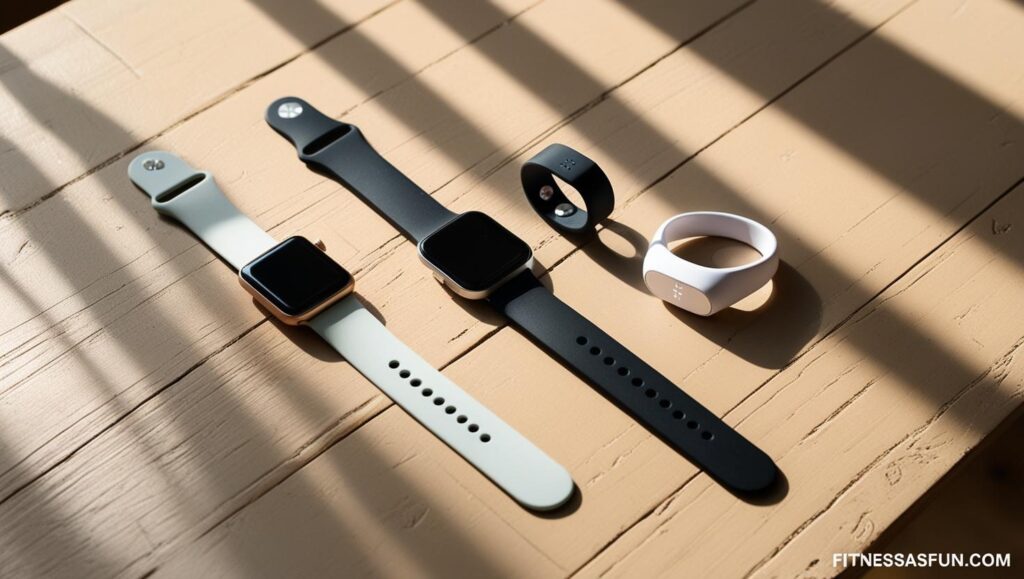
Smartwatches, fitness bands, chest straps and smart rings all sample the same handful of raw signals: movement, heart rate, skin temperature and blood-oxygen saturation. Everything else on your dashboard — readiness, strain, sleep stages, calorie burn — is an interpretation of those signals, not a measurement.
That matters, because interpretations vary wildly in reliability. Knowing which numbers are solid is what separates useful tracking from anxious number-watching.
The metrics worth acting on
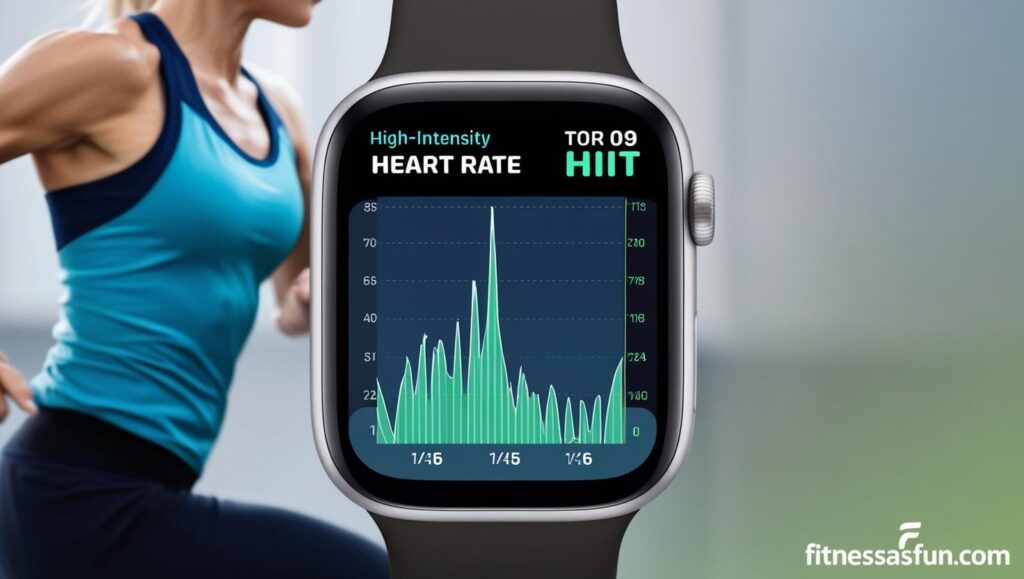
- Resting heart rate. The single most useful number most wearables produce. It’s measured while you’re still, it’s consistent, and a rising weekly average is an early warning of fatigue, poor sleep or illness.
- Sleep duration. Not the stage breakdown — just how long you actually slept. Reliable, and the lever with the biggest knock-on effect on everything else.
- Steps or active minutes. A blunt but honest measure of whether your baseline activity is going up or down.
- Heart-rate variability (HRV), as a trend. Noisy day to day, genuinely informative across weeks. A sustained drop usually means you’re under-recovered.
The metrics to mostly ignore
- Calories burned. An estimate built on other estimates. Useful for comparing a hard week with an easy one, useless as a figure to eat back.
- Sleep stages. Consumer devices are poor at splitting deep from REM. Watch total sleep instead.
- Single-day readiness scores. Fine as a nudge, terrible as a verdict. Never skip a session you feel good for because a number told you to.
If you want a calorie target you can actually plan around, calculate it rather than reading it off your wrist — the TDEE calculator gives a far more defensible number, and the macro calculator turns it into food.
The one-metric rule
Here’s what actually worked for me, and what I’d tell anyone starting out: pick one metric and ignore the rest for a month.
A dashboard with fifteen numbers gives you fifteen ways to feel vaguely bad and no clear action. One number gives you a decision. Choose based on your actual bottleneck:
- Sedentary job? Daily steps.
- Always tired? Sleep duration.
- Training hard but stalling? Resting heart rate.
- Training inconsistently? Weekly active minutes.
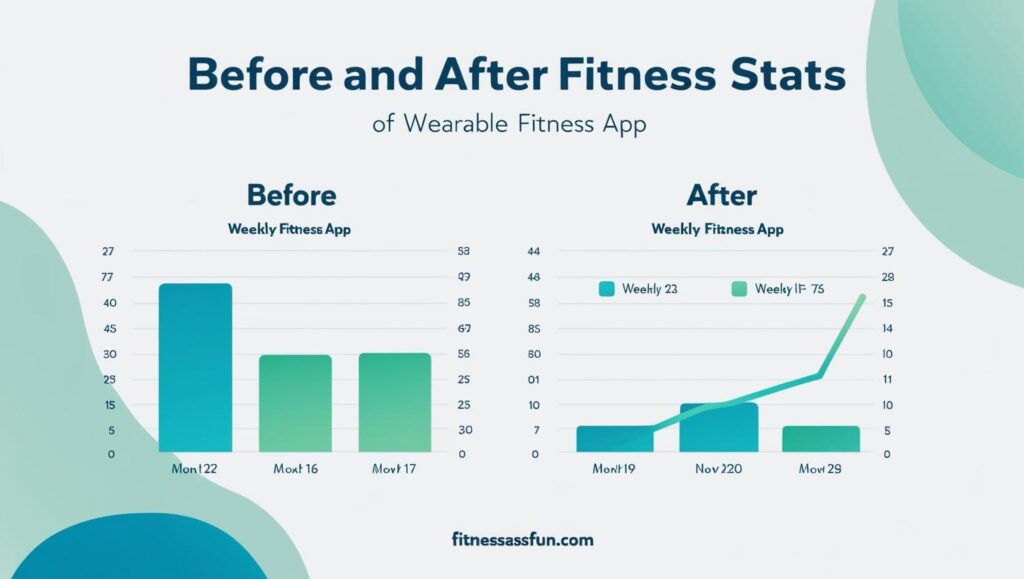
Over three months of doing exactly this, my daily steps went from around 6,000 to 12,000 and my resting heart rate dropped from the high 60s into the mid 50s. Neither came from a new feature. Both came from watching one number and letting it change one habit.
Read the trend, not the day
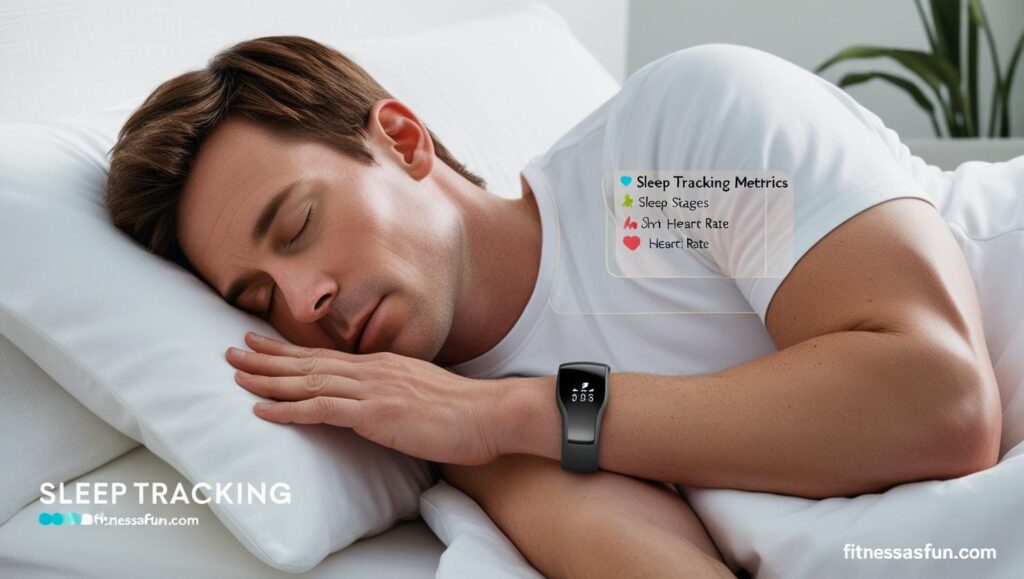
Almost every wearable metric is noisy over 24 hours and meaningful over 4 weeks. A single bad HRV reading tells you nothing; three weeks of decline tells you to back off.
A simple rhythm that works: glance daily, decide weekly, review monthly. Check your one metric each morning without reacting. Once a week, look at the seven-day average and adjust something small. Once a month, ask whether the trend is going the right way — and change the metric if that bottleneck is solved.
When the data starts working against you
Tracking has a failure mode: it turns training into a scoreboard. Warning signs are easy to spot once you know them — adding a walk at 11pm purely to close a ring, feeling defeated by a poor sleep score before the day has begun, or skipping a session you felt fine for because an app suggested you were “unready”.
If that’s happening, turn off the notifications and check the app once a day. The device is meant to inform your judgement, not replace it. Some people do better wearing it only on training days — that’s a perfectly good answer too.
Frequently asked questions
Do I need a wearable to get fit?
No. It makes progress visible, which helps consistency — but a notebook and an honest weekly weigh-in achieve most of the same thing for free.
Are cheap fitness trackers worth it?
Yes, if you care about steps, sleep duration and resting heart rate — the metrics that matter most are also the ones budget devices handle well. You don’t need to spend $400.
How long before the data is useful?
Around two to four weeks. You need a personal baseline before any number means anything, which is why comparing yourself to population averages in week one is pointless.
What if I hate wearing something all day?
Try a smart ring, or wear a watch only while training. Consistent partial data beats perfect data you abandon in a month.
Ready to turn the numbers into a plan? Start with the TDEE calculator, then browse our free fitness tools.