

Updated for 2026. Technology keeps reshaping how we approach health and fitness. From smartwatches that track your heart rhythm to AI-powered wearables that read your sleep and recovery, today’s gadgets make it easier than ever to take real control of your well-being.
Heading into 2026, health-tech has pushed further still — more accurate sensors, on-device AI insights, and real-time coaching that adapt to you. Whether you’re a fitness enthusiast, managing a health condition, or just trying to stay active, the right device can be a genuine game-changer.
Here are the best wearable health and fitness gadgets for 2026 — and how to pick the one that fits your goals and budget.
1. Smartwatches: Your Personal Health Assistant

Smartwatches have moved far beyond step counting. The latest models offer:
✅ Advanced heart-rate & ECG monitoring — flag irregular rhythms and track cardiovascular health.
✅ Blood oxygen (SpO2) tracking — useful for athletes and anyone with respiratory concerns.
✅ Stress & recovery analysis — AI-driven readiness scores to help you train (or rest) smarter.
✅ Personalized coaching — real-time guidance on workouts, pacing, and recovery.
💡 Top picks for 2026:
- Apple Watch Series 11 / Ultra 3 — refined health sensors, high-frequency skin-temperature tracking, and deep iPhone integration.
- Samsung Galaxy Watch 8 / Ultra — strong all-round tracking with on-device AI coaching and body-composition readings.
- Google Pixel Watch 3 — the best-integrated pick for Android users, with excellent Fitbit-powered fitness metrics.
- Garmin Fenix 8 / Forerunner 970 — built for serious athletes, with VO2 max, training load, and multi-day battery life.
2. Fitness Trackers: The Best Budget-Friendly Wearables
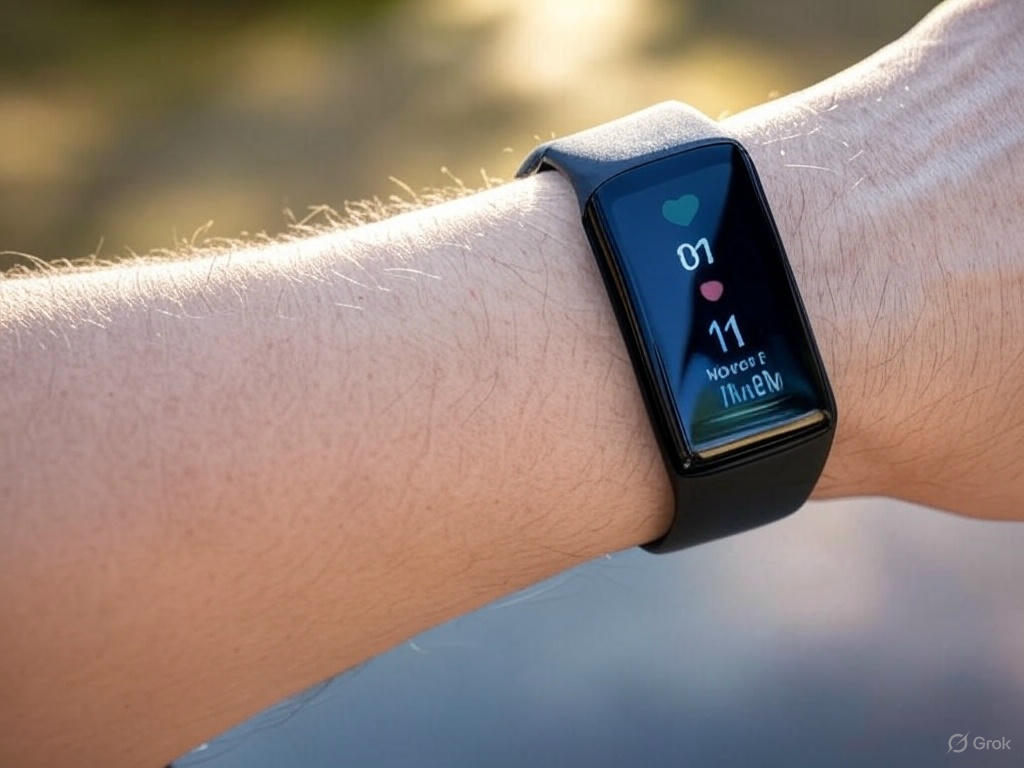
Want serious health tracking without the smartwatch price tag? Fitness bands remain the smart-value choice. Today they offer:
✅ 24/7 activity & sleep monitoring
✅ Heart-rate, SpO2 & stress tracking
✅ AI-powered, personalized health nudges
💡 Top picks for 2026:
- Fitbit Charge 6 — accurate fitness and sleep tracking with Google apps built in.
- Xiaomi Smart Band 9 / 9 Pro — remarkable value, with a bright display, SpO2, and long battery life.
- Whoop 5.0 — a screen-free band for athletes, focused on strain, recovery, and sleep coaching.
- Amazfit Active 2 — a feature-packed budget option with solid GPS and multi-week battery.
3. Smart Rings: Discreet, All-Day Health Tracking
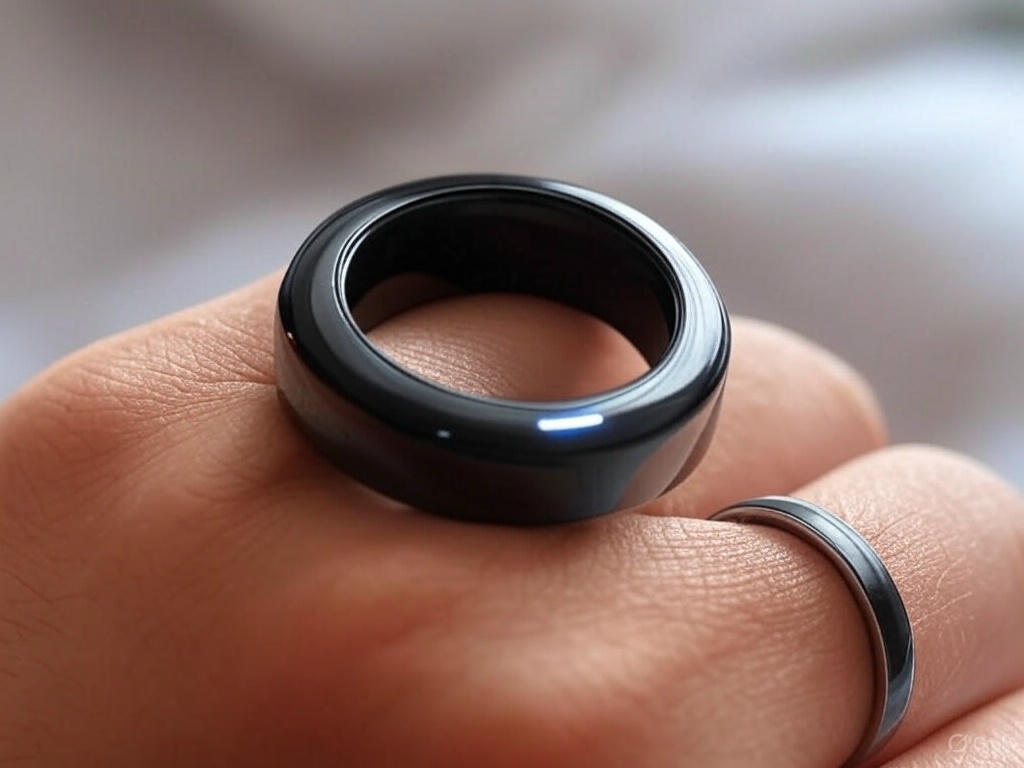
Smart rings have become one of the fastest-growing categories in wearables thanks to their discreet design and strong sleep and recovery data. Unlike a watch, they’re lightweight enough to forget you’re wearing — while still tracking:
✅ Heart-rate variability (HRV)
✅ Sleep stages & readiness
✅ Cycle & temperature trends
💡 Top picks for 2026:
- Oura Ring 4 — still the benchmark for sleep and readiness, with a refined sensor design.
- Samsung Galaxy Ring — the best pick for Samsung phone owners, tightly tied into Samsung Health.
- Ultrahuman Ring Air — lightweight, subscription-free, with strong metabolic and sleep insights.
- RingConn Gen 2 — long battery life and no monthly fee, a great value entry point.
4. AI-Powered Wearables: The Future of Health Optimization

A new wave of AI-driven wearables analyzes your body data in real time and turns it into tailored guidance. These devices can:
✅ Spot trends early — fatigue, dehydration, or rising stress
✅ Offer virtual coaching for workouts, sleep, and recovery
✅ Track metabolism & glucose through dedicated sensors
💡 Top picks for 2026:
- Lumen Metabolism Tracker — reads your metabolic fuel use to fine-tune nutrition.
- Muse S (Gen 2) Headband — uses EEG to guide meditation, focus, and sleep.
- Stelo & Lingo continuous glucose monitors (CGM) — over-the-counter glucose tracking for smarter diet planning.
5. Smart Clothing & Footwear: Tracking Without a Wristband
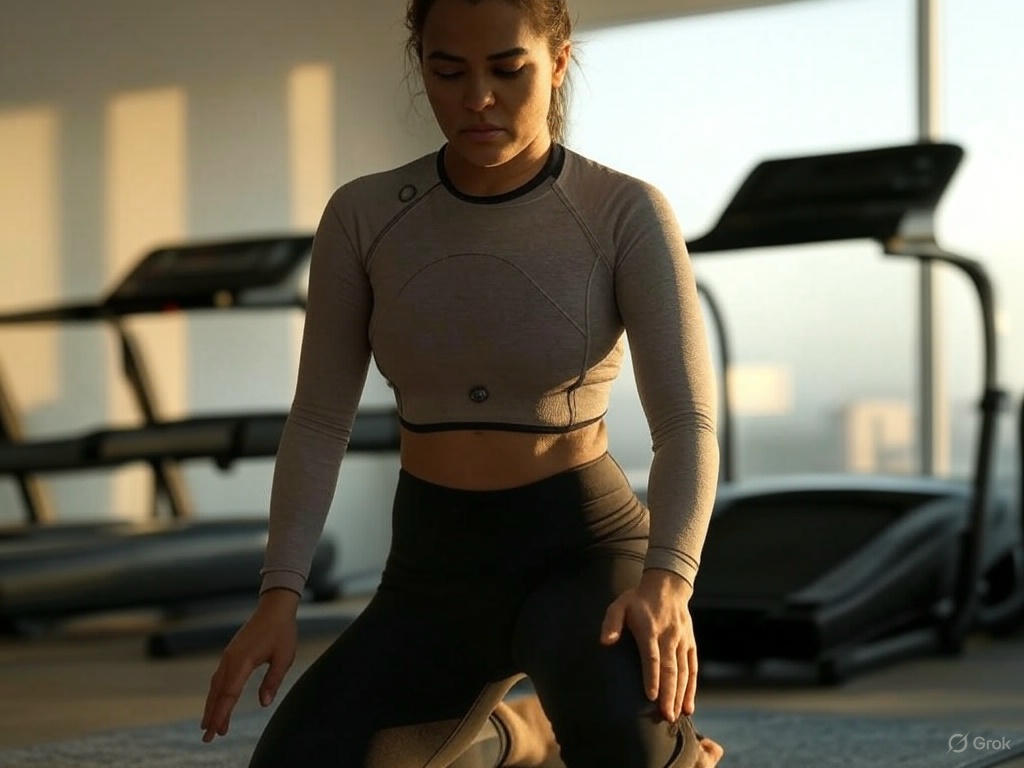
Smart fabrics now embed sensors that monitor muscle activity, hydration, and posture, while smart shoes add gait and step-efficiency analysis — handy for runners chasing form improvements.
💡 Worth watching in 2026:
- Nadi X smart yoga pants — real-time posture cues for your practice.
- Sensoria smart socks — detailed foot-strike analysis for runners.
- Nike smart footwear — pressure-sensing insoles that track running efficiency.
What’s Changed for 2026?
If you bought a wearable a couple of years ago, three shifts are worth knowing about:
- On-device AI — readiness, sleep, and stress scores are now more personalized and update in real time, instead of just showing raw numbers.
- Over-the-counter glucose monitors — CGMs like Stelo and Lingo made metabolic tracking mainstream, no prescription required.
- Smart rings went mainstream — with Samsung and others entering the space, prices dropped and subscription-free options expanded.
Final Thoughts: Should You Invest in Health-Tech Wearables?
Wearable health-tech in 2026 is far more than an accessory — these are genuine tools for optimizing training, improving sleep, and catching health issues earlier.
✔️ To improve fitness, sleep, and stress, a smartwatch or fitness tracker is the best starting point.
✔️ For deeper recovery and metabolic insights, look at AI wearables and CGMs.
✔️ If you prefer discreet, all-day tracking, a smart ring is a sleek, powerful option.
The right device comes down to your goals, lifestyle, and budget — but one thing is clear: health technology is changing how we care for our bodies.
Once your device is tracking your training, put the numbers to work with our free fitness tools and calculators — dial in your calories with the TDEE calculator or check your lifts with the one-rep max calculator.
Frequently Asked Questions
Is a smart ring or a smartwatch better?
A smartwatch is better if you want workouts, notifications, and a screen; a smart ring wins for discreet, comfortable all-day and overnight tracking with longer battery life. Many people wear both.
Are budget fitness trackers accurate?
For steps, heart rate, and sleep trends, modern budget bands like the Xiaomi Smart Band 9 and Fitbit Charge 6 are impressively accurate. For lab-grade metrics like VO2 max, higher-end watches still lead.
Do I need a continuous glucose monitor if I’m not diabetic?
Over-the-counter CGMs can help you understand how food and exercise affect your energy, but they’re optional. Talk to a healthcare professional before making health decisions based on the data.