
When I first heard about intermittent fasting, it sounded like a trendy shortcut. Skip breakfast, eat in a window, burn fat like magic. I bought the hype. But over the months, I learned that this isn’t a hack—it’s a discipline. One that taught me a lot about my body, mind, and ego.
This is my unfiltered take. What worked. What didn’t. No fluff.
1. Why I Started Intermittent Fasting (IF)
I wasn’t overweight. I wasn’t looking for six-pack abs. I started IF because I wanted:
- More energy throughout the day
- Better focus in the mornings
- To tame my late-night snacking habit
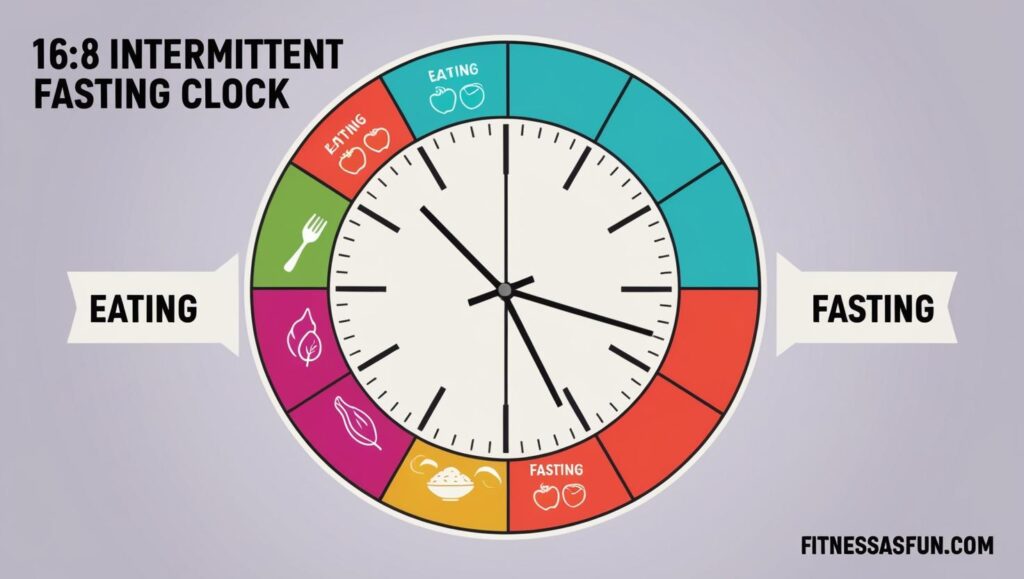
I chose the 16:8 method—16 hours fasting, 8-hour eating window. My window was 12 PM to 8 PM. No breakfast. Just black coffee and water in the morning.
Simple in theory. A bit of a battlefield in practice.
2. What Worked for Me
✅ Mental Clarity in the Mornings
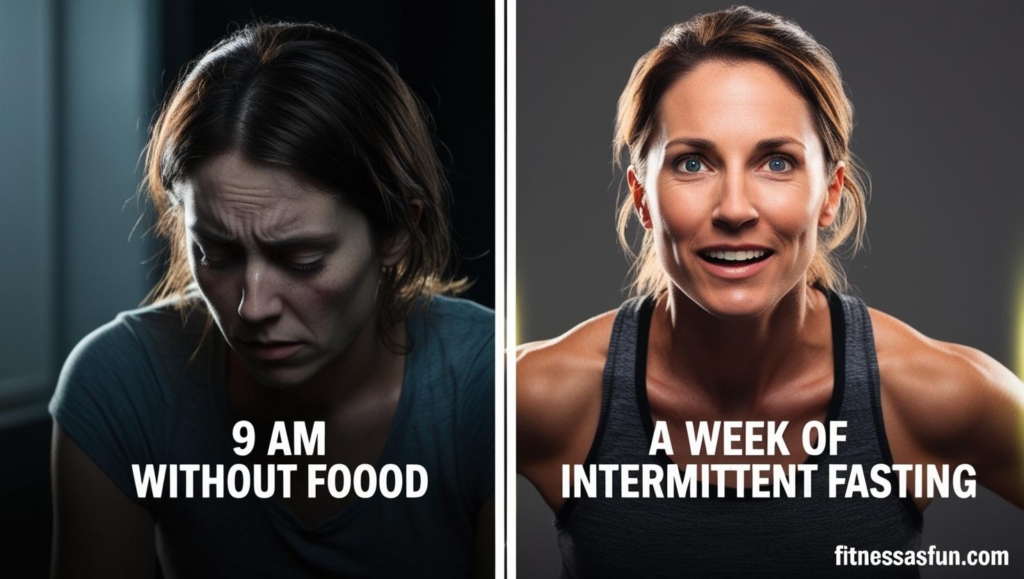
Within a week, I noticed better focus between 8 AM and noon. No post-breakfast sluggishness. My brain felt sharper. Decision fatigue dropped.
✅ Reduced Calorie Intake (Without Counting)
By limiting eating to 8 hours, I naturally ate fewer calories. No need to obsess over macros. The structure alone was enough to cut the extra fluff.
✅ No More Nighttime Snacking
Knowing I had to stop eating at 8 PM helped kill my worst habit: chips and sugary stuff while binge-watching. That alone saved me hundreds of useless calories.
✅ Emotional Discipline
Fasting gave me control. I stopped reacting to every hunger pang. Instead, I started listening—am I really hungry, or just bored? That awareness shifted everything.
3. What Didn’t Work (and Nearly Made Me Quit)
❌ Energy Dips During Workouts
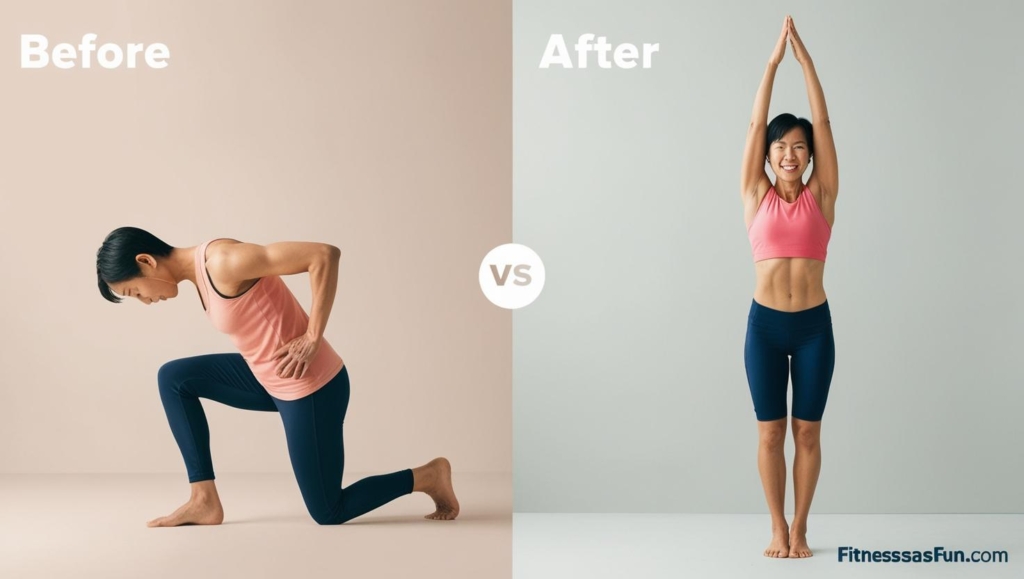
Morning workouts were brutal during fasts. I had less power, slower recovery, and sometimes dizziness. Eventually, I shifted workouts to afternoons—or broke the fast early with a banana.
❌ Social Life Got Awkward
Dinner with friends at 9 PM? Not happening. Birthday cake at work? “Sorry, I’m fasting.” IF made me feel like the weird one in social settings.
❌ Weekends Were a Mess
I stuck to the routine all week… then Saturday came. Late breakfast with family, movie night snacks, sleep-ins. My fasting window got wrecked. And the guilt spiral? Real.
❌ Obsession with the Clock
There were days I stared at the time like a prisoner. “Only 43 minutes until noon…” That’s not food freedom. That’s mental handcuffs. Eventually, I loosened up and focused on consistency over perfection.
4. The Turning Point: Making IF Work for Me
After 3 months of trial and error, here’s what I settled on:
- Flexible 14:10 schedule on weekends (instead of rigid 16:8)
- Small pre-workout snack (like ½ banana) if training early
- One “free day” per week to eat intuitively and reset mentally
- Hydration hacks: sparkling water, black tea, and pink salt in my water kept hunger at bay
The key shift? I stopped treating IF like a strict diet. I treated it like a tool. A rhythm. Not a religion.
5. Final Thoughts: Should You Try It?

If you:
- Struggle with late-night eating
- Want better structure in your day
- Prefer simplicity over calorie counting
…then yes, give intermittent fasting a try. But go in knowing that it’s not a miracle. It’s not for everyone. And it’s not worth sacrificing your social life or sanity over.
Intermittent fasting taught me discipline, but only when I stopped obsessing over it did it become sustainable.
FAQs
Q: How long should I try intermittent fasting before seeing results?
Most people notice subtle changes (energy, appetite) within 1–2 weeks. Visible results often take 4–6 weeks.
Q: Can I drink coffee or tea while fasting?
Yes, as long as it’s unsweetened and under 5 calories—black coffee and plain tea are fine.
Q: Is intermittent fasting good for women?
Some women may experience hormonal imbalances with long fasting windows. Start with 12:12 and monitor how you feel. Always consult a doctor if unsure.
Q: What breaks a fast?
Anything that spikes insulin—like sugar, cream, or carbs. Stick to water, black coffee, or tea during fasting.
Source
Turn this into a plan with our free TDEE calculator and macro calculator. Browse them all on our free fitness tools page.