
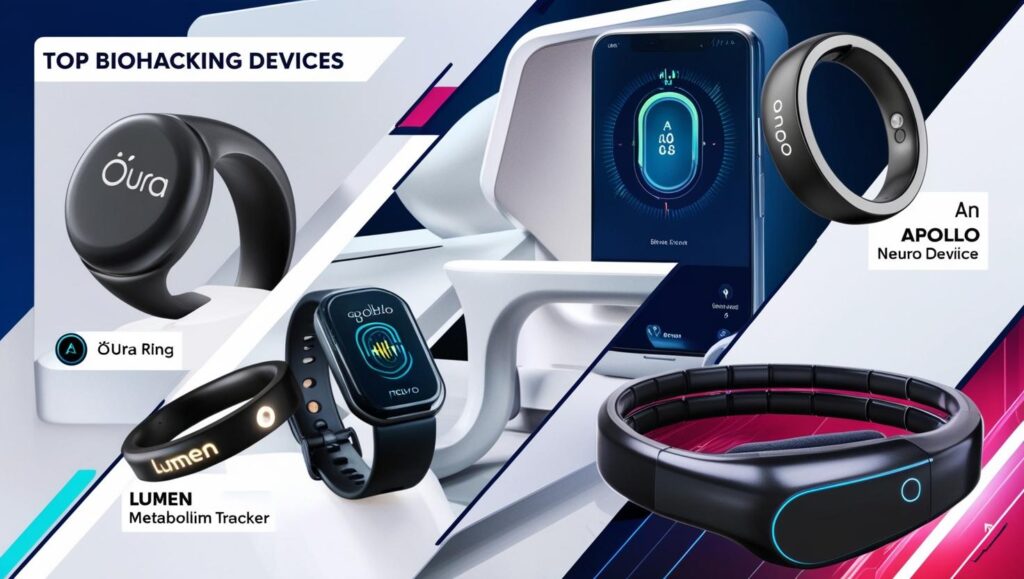
Updated for 2026. It sounds like science fiction: a ring that reads your sleep to sharpen your focus, a patch that lifts your energy without caffeine, a headset that trains your attention.
But these aren’t futuristic dreams anymore — they’re biohacking tools that are real, wearable, and increasingly mainstream. So are they genuinely revolutionary, or just the latest wellness gimmick? Let’s separate the smart from the snake oil.
What Is Biohacking — And Why Is It Exploding?
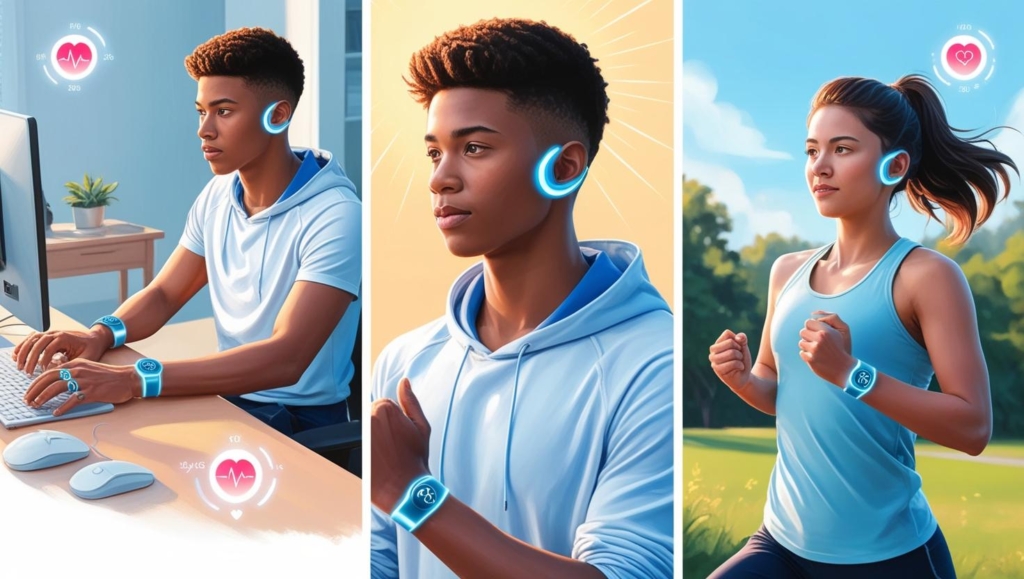
Biohacking means using science, technology, and self-experimentation to “hack” your biology for better performance — mentally, physically, and emotionally. Its rise comes down to three things:
- AI now makes real-time health feedback possible.
- Wearables have become discreet, stylish, and genuinely smart.
- Burnout culture has fueled demand for self-optimization.
The Coolest Biohacking Tools Right Now
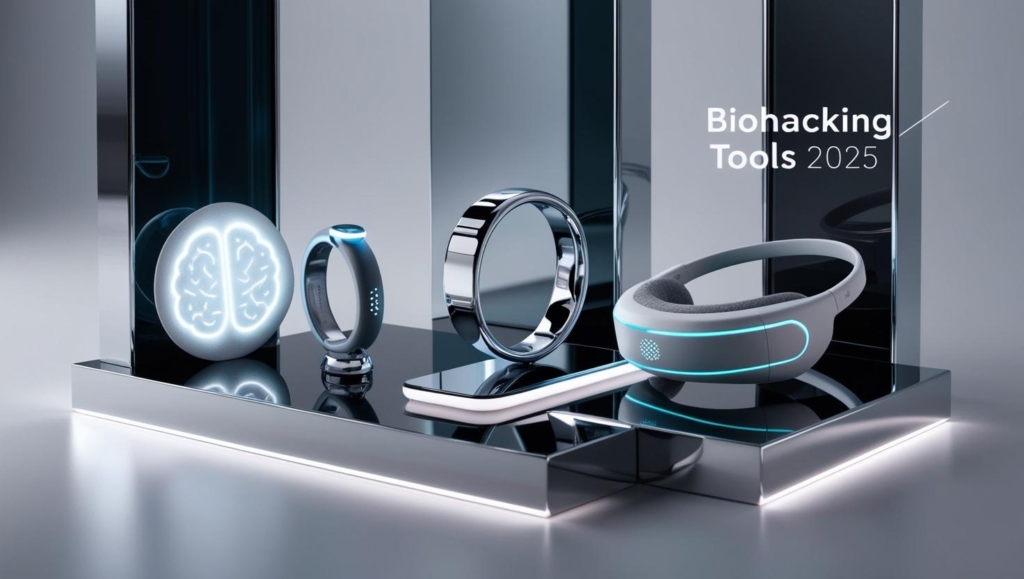
🧠 1. Apollo Neuro — vibration-based stress reset
- Looks like: a sleek wrist or ankle wearable
- Function: gentle vibrations to calm the nervous system and support HRV
- Benefits: better sleep, less anxiety, improved focus
- Price: ~$349
- Verdict: great for chronic stress or burnout
💍 2. Oura Ring 4 — passive biofeedback
- Looks like: a titanium smart ring
- Function: tracks deep sleep, temperature, HRV, and a daily readiness score
- Benefits: optimizes sleep and recovery like a coach on your finger
- Price: ~$349 + membership
- Verdict: still the gold standard for passive biofeedback
⚡ 3. Lumen — metabolism in a breath
- Looks like: a handheld breathalyzer
- Function: measures CO₂ in your breath to gauge whether you’re burning fat or carbs
- Benefits: personalized nutrition and fasting guidance
- Price: ~$249
- Verdict: ideal for keto, intermittent fasting, and fat loss
🌡️ 4. OTC glucose monitors (Stelo & Lingo)
- Looks like: a small arm patch + app
- Function: continuous glucose monitoring, now available over the counter — no prescription
- Benefits: see exactly how food, sleep, and exercise move your blood sugar
- Price: subscription (roughly $50–$100/month)
- Verdict: top-tier for metabolic and weight-loss biohackers
🔋 5. Sens.ai — neurofeedback headset
- Looks like: sleek over-ear headphones
- Function: trains your brain with EEG + light therapy
- Benefits: sharper focus, calmer meditation, better recovery
- Price: ~$1,000+
- Verdict: a premium tool for serious cognitive biohackers
🩹 6. Transdermal vitamin patches
- Looks like: a discreet skin patch
- Function: slow-release delivery of B12 and other nutrients through the skin
- Benefits: steadier energy without a caffeine crash
- Price: ~$20–$30/month
- Verdict: convenient, low-risk — though evidence for absorption varies by brand
🧬 7. InsideTracker — blood & DNA biomarkers
- Looks like: a mail-in test kit
- Function: uses blood and DNA data to recommend lifestyle changes
- Benefits: tailored supplement, nutrition, and training suggestions
- Price: ~$200–$600 by tier
- Verdict: best for data-driven optimizers who’ll act on the results
Where AI Meets Biology
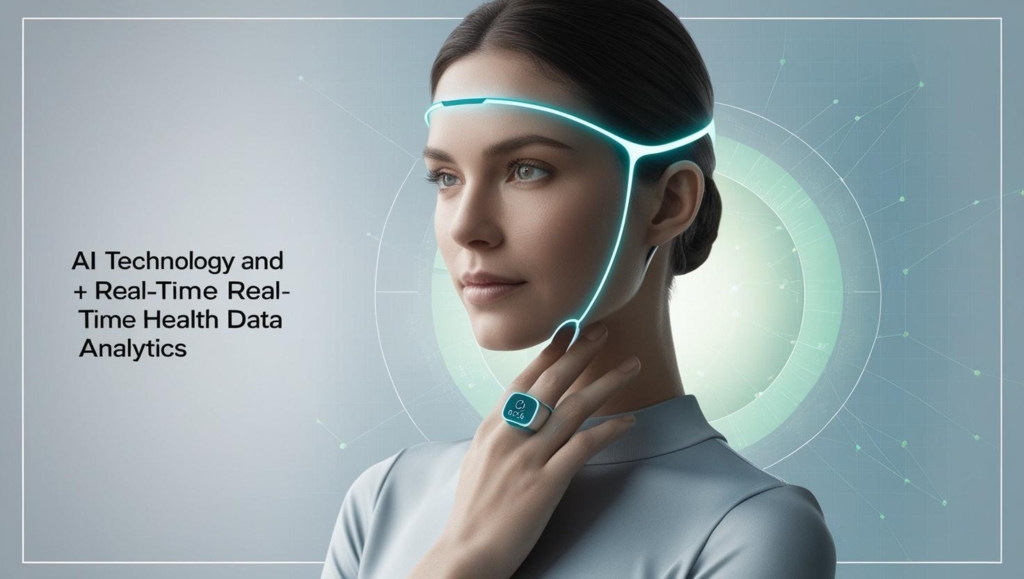
The real leap isn’t the hardware — it’s the AI behind it. These tools no longer just collect data; they interpret it and hand you a plan:
- Your Oura Ring nudges you to wind down 40 minutes earlier.
- Apollo adapts its vibrations to your heart rhythm.
- Lumen tells you whether your workout actually shifted you into fat-burning.
Are These Gadgets Worth It?
Let’s be honest — not everyone needs a $1,000 headset to meditate. Ask yourself:
- Do I have a specific goal? (sleep, focus, fat loss, anxiety)
- Will I actually use the feedback to change something?
- Do I want passive tracking or active intervention?
Biohacking works best when it’s actionable. If the data just sits in an app you never open, it’s not a hack — it’s clutter. A free starting point: dial in the fundamentals first with our TDEE and macro calculators before spending on gadgets.
Watch-Outs & Hype Traps
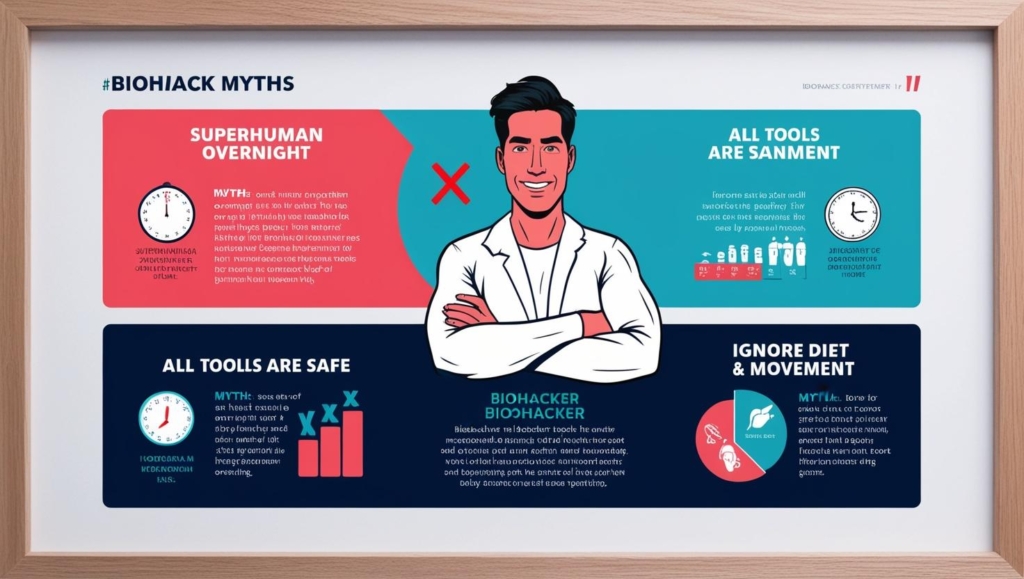
🚫 “Biohacking makes you superhuman overnight.”
👉 False. It’s optimization, not magic.
🚫 “All tools are safe and effective.”
👉 Do your homework — favor FDA-cleared or peer-reviewed tech, and talk to a professional before medical-adjacent devices.
🚫 “You can ignore diet and movement now.”
👉 These tools are enhancers, not replacements.
Final Word: Biohacking Is a Tool, Not a Religion
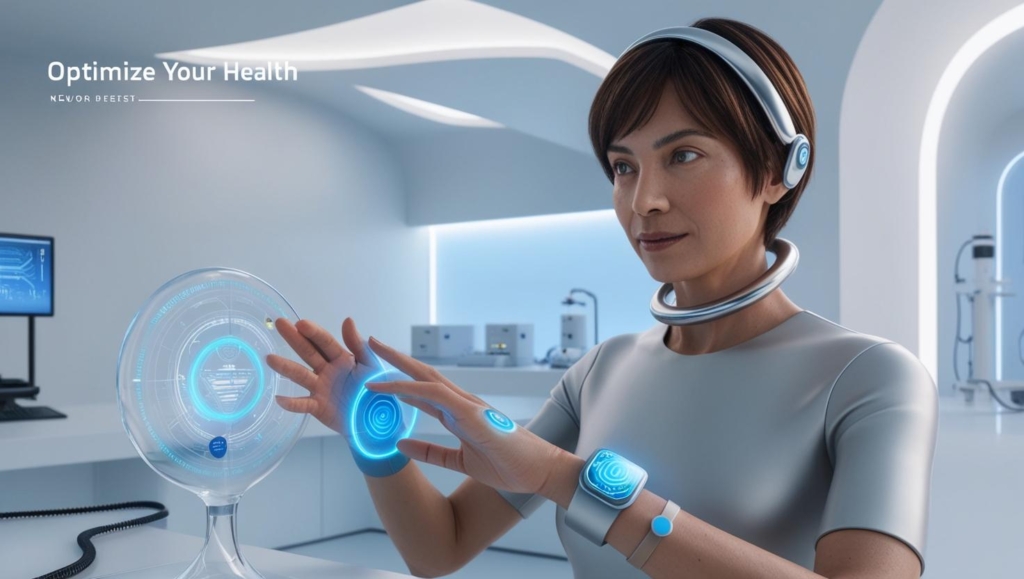
In the end, these gadgets offer one thing: agency. They don’t replace doctors, but they can amplify your ability to take control. Used wisely, they help you tune your energy, sharpen your mind, and feel more like yourself.
The trick? Don’t chase trends. Use the tools that fit your lifestyle — not someone else’s highlight reel.
Curious about the specific wearables behind a lot of these hacks? See our guide to the best wearable health & fitness gadgets, or explore all our free tools.