
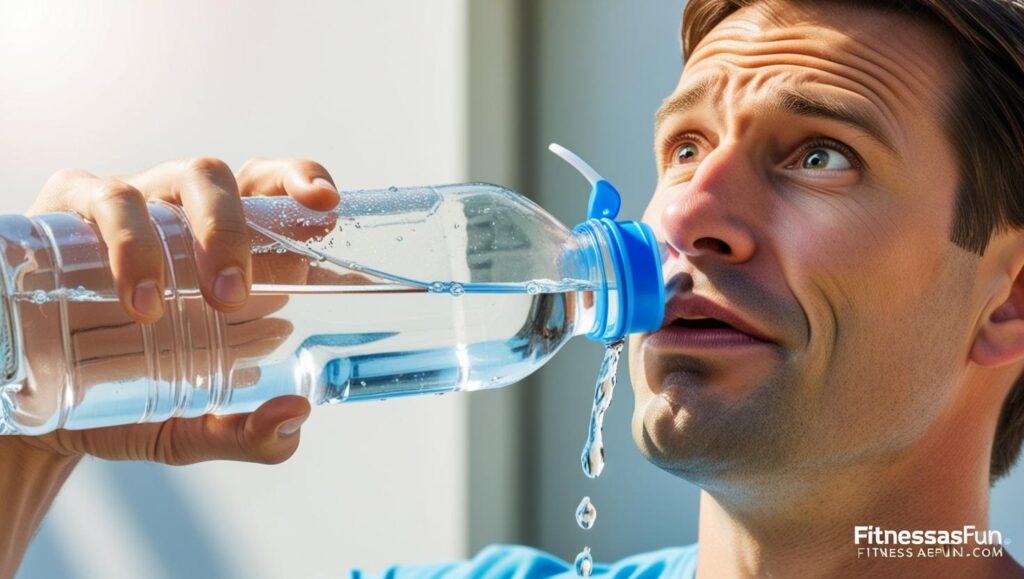
Yes, too much water can be harmful—here’s how to know the line
We’ve all heard it:
“Drink more water.”
“Hydrate or die.”
“Eight glasses a day.”
But here’s the truth nobody talks about:
You can drink too much water—and it can harm you.
Overhydration is real.
It’s called water intoxication or hyponatremia.
And it messes with your brain, your cells, and your energy.
Let’s clear up the confusion—so you hydrate smarter, not just more.
🧪 What Is Overhydration?
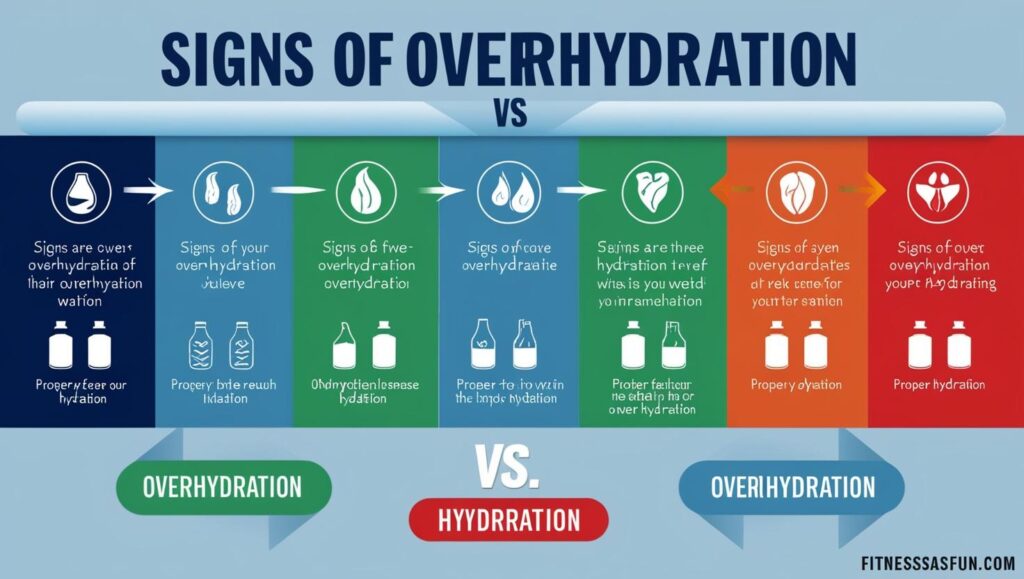
Overhydration happens when your body takes in more water than it can eliminate.
This dilutes sodium levels in your blood—a critical electrolyte.
That condition is called hyponatremia, and it can be dangerous.
Symptoms range from:
- Bloating
- Nausea
- Brain fog
- Confusion
- In extreme cases: seizures, coma, and death
📉 Why “Just Drink More Water” Is Bad Advice
Water needs are individual.
Your hydration depends on:
- Body size
- Activity level
- Diet
- Temperature
- Salt intake
- Medications
One-size-fits-all rules (like “8 glasses”) ignore all that.
Even athletes sometimes get it wrong—marathon runners have been hospitalized from overhydration, not dehydration.
🧠 Signs You Might Be Overhydrated
Here’s what to watch for:
1. Clear urine all the time
If your pee looks like water 24/7, your body might be flushing too much sodium.
2. You’re peeing every 30–60 minutes
Normal frequency is around 6–8 times per day. More than that? Possible overhydration.
3. You feel bloated or puffy
Excess water can cause swelling—especially in your hands, feet, or face.
4. Persistent fatigue or confusion
Hyponatremia affects brain function. If you’re foggy even with good sleep, it could be electrolyte imbalance.
5. You drink water even when you’re not thirsty
Thirst is your built-in sensor. Ignoring it and drinking “just to hit a number” can backfire.
💧 How Much Water Should You Actually Drink?
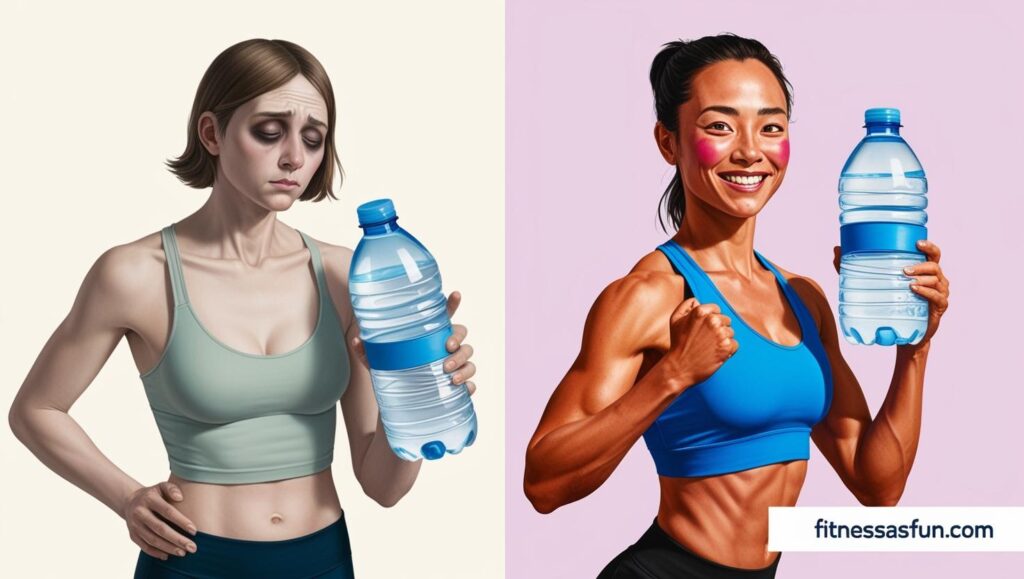
There’s no perfect number. But here’s a practical rule:
Drink to thirst—and listen to your body.
That means:
- Don’t force gallons if you’re not sweating
- Increase intake during hot days, exercise, illness
- Consider electrolytes if drinking >3L/day
Use urine color as a guide:
- Pale yellow = perfect
- Clear = dial it back
- Dark = hydrate more
⚖️ Electrolytes: The Missing Piece
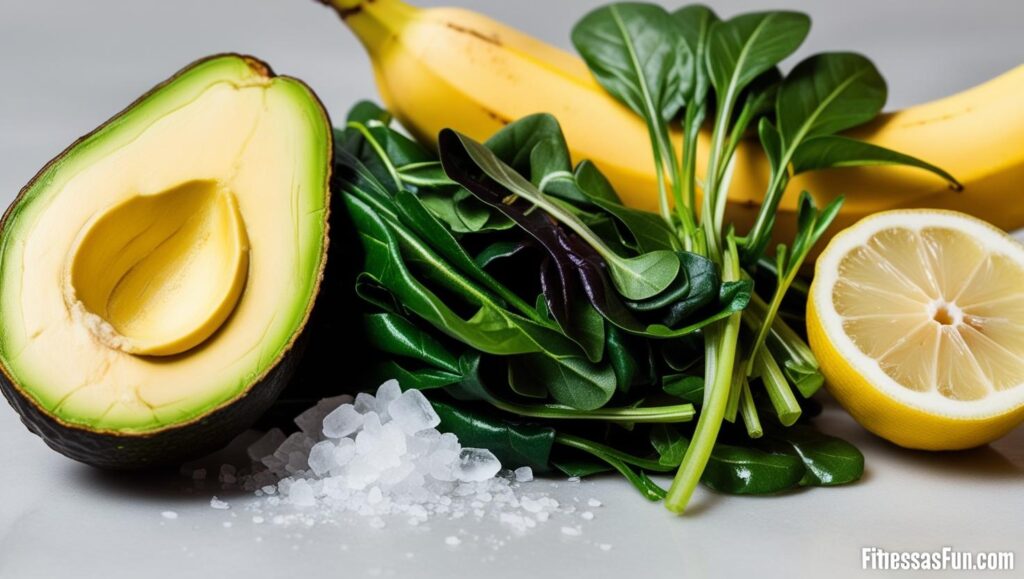
If you drink a lot of water without replenishing sodium, potassium, and magnesium, you’re setting yourself up for imbalance.
Try:
- Adding a pinch of sea salt or a squeeze of lemon
- Using an electrolyte mix (without sugar or junk)
- Eating mineral-rich foods (avocados, bananas, leafy greens, nuts)
Hydration is not just H2O. It’s water + minerals.
🧠 A Personal Note
I used to carry a water bottle everywhere. I’d drink nonstop thinking it was healthy.
Then I started feeling sluggish and bloated.
The fix? I reduced my intake and added electrolytes.
Almost instantly:
- More energy
- Less brain fog
- Better workouts
Hydration is a balance—not a competition.
📚 FAQs
Q: How much water is too much?
More than 3–4 liters in a short time without electrolytes can trigger issues in some people.
Q: Can you fix overhydration at home?
Mild cases? Yes—cut back on water, add electrolytes.
Severe symptoms? See a doctor immediately.
Q: Is clear urine good?
Not always. Pale yellow is optimal. Always-clear might mean overhydration.
Make it concrete — use our free TDEE calculator. Browse them all on our free fitness tools page.