
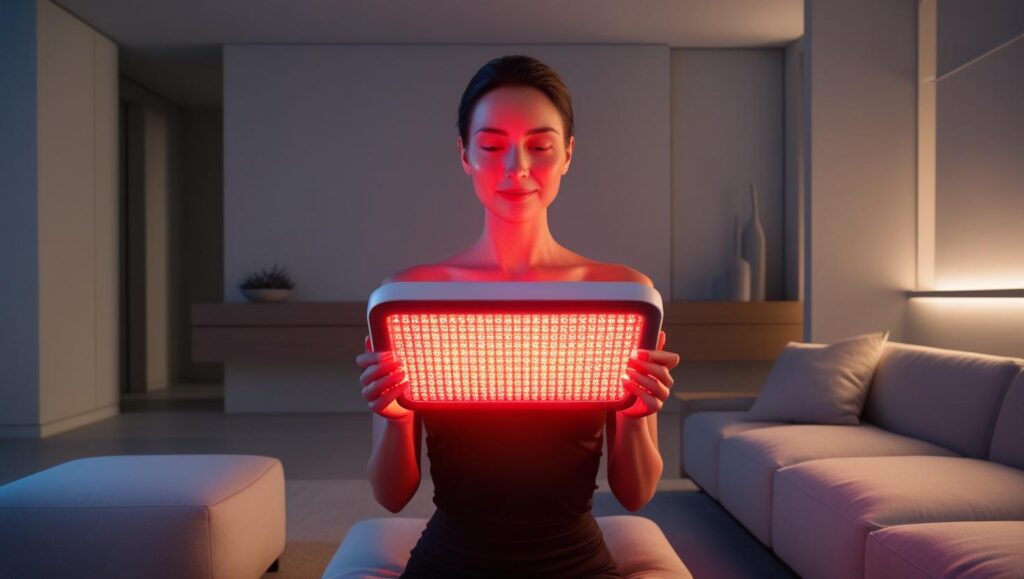
Updated for 2026. It started in med spas and biohacking podcasts. Now your neighbour has a red light panel from Amazon and your gym has one in the recovery room.
So does red light therapy at home actually do anything? The honest answer is: for some things the evidence is genuinely reasonable, for others it’s thin, and the gap between a good device and a cheap one is enormous. Here’s how to tell them apart.
This is general information, not medical advice. Speak to a doctor or dermatologist before starting, particularly if you have a skin condition or take medication.
What red light therapy actually is
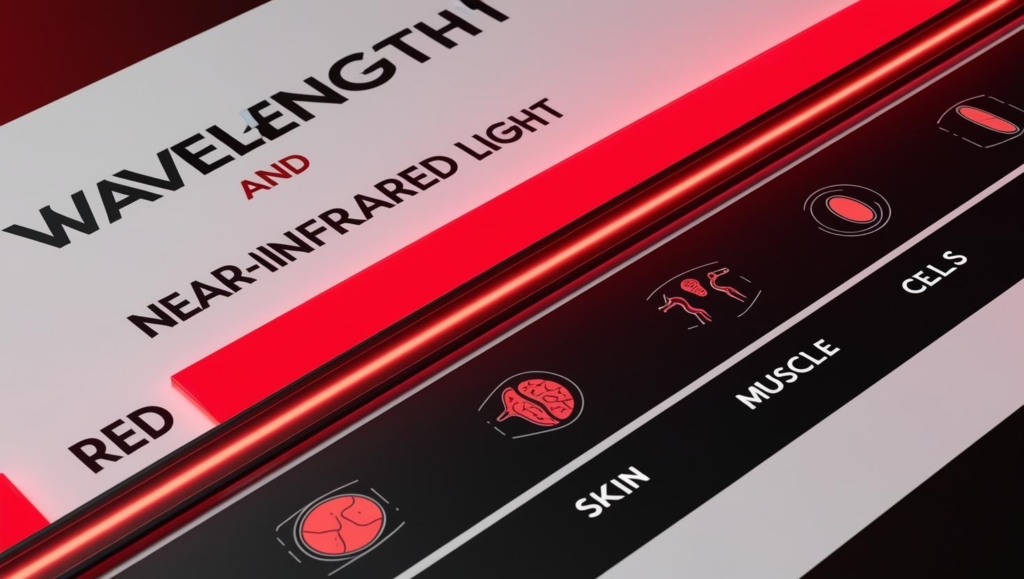
Red light therapy — also called photobiomodulation or low-level laser therapy — exposes skin to specific wavelengths of red and near-infrared light, typically in the 630–850 nm range.
The proposed mechanism is that these wavelengths are absorbed by mitochondria and support cellular energy production, which in turn may reduce inflammation and assist tissue repair. Two things follow from that, and both matter:
- Wavelength is not marketing. Red (around 630–660 nm) acts mostly at skin level. Near-infrared (around 800–850 nm) penetrates deeper toward muscle and joint. A device without published wavelengths is a red flag.
- Dose matters more than duration. Output power and how close you sit determine the dose. This is where budget panels usually fall short — the light looks the same, but the intensity isn’t there.
Where the evidence is strongest — and weakest
Being straight about this saves money. The research base varies a lot by application.
- Skin and collagen — reasonable evidence. The most studied use. Research suggests improvements in skin texture, fine lines and tone with consistent use over a couple of months.
- Hair growth — reasonable, and regulated. Several laser caps and helmets are FDA-cleared for androgenetic alopecia. Results are better the earlier treatment starts.
- Muscle soreness and joint pain — mixed but promising. Studies suggest reduced soreness and improved short-term recovery. Effects are real but modest; it complements sleep and sensible training rather than replacing them.
- Mood, sleep and seasonal depression — weak. Often marketed, rarely well supported. Bright-light boxes for seasonal affective disorder are a separate, better-evidenced technology.
- Fat loss and “detox” — no. Ignore these claims entirely.
Three myths worth dropping
“More exposure means better results.” Photobiomodulation appears to follow a biphasic dose response — too little does nothing, and beyond a point additional exposure adds no benefit. Most protocols land around 10–20 minutes per area.
“All red light devices are the same.” They differ enormously in wavelength accuracy, output and build quality. A $40 handheld and a full panel are not doing the same job.
“You’ll see results quickly.” Realistically, 4–8 weeks of consistent use before visible skin changes, and that’s with near-daily sessions.
How to choose a device
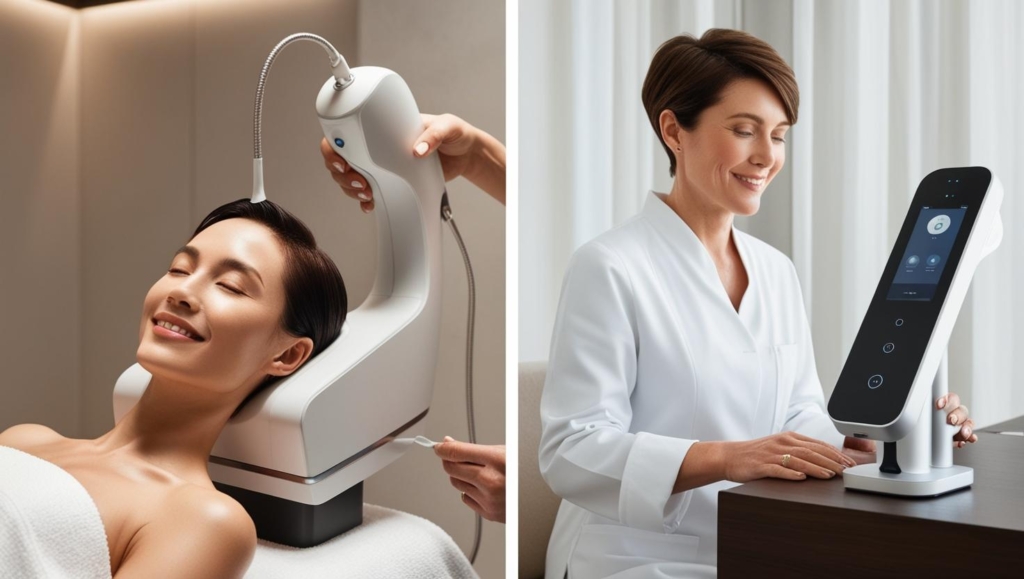
Ignore the marketing copy and check four things:
- Published wavelengths. Look for stated figures — commonly around 660 nm red and 850 nm near-infrared. Vague “red light” claims tell you nothing.
- Stated irradiance at a stated distance. Power density means nothing without the distance it was measured at. Reputable brands publish both.
- Treatment area versus your goal. A handheld is fine for a face or one joint. Full-body recovery needs a panel, and the price scales accordingly.
- Third-party testing and a real warranty. The strongest signal that a manufacturer stands behind its numbers.
| Device type | Typical price | Best for |
|---|---|---|
| Handheld / mask | $80–$300 | Face, targeted skin treatment |
| Small panel | $300–$700 | One body area — knee, shoulder, lower back |
| Large panel | $700–$2,000 | Full-body recovery |
| Laser cap / helmet | $400–$1,200 | Hair growth (look for FDA clearance) |
Using it safely
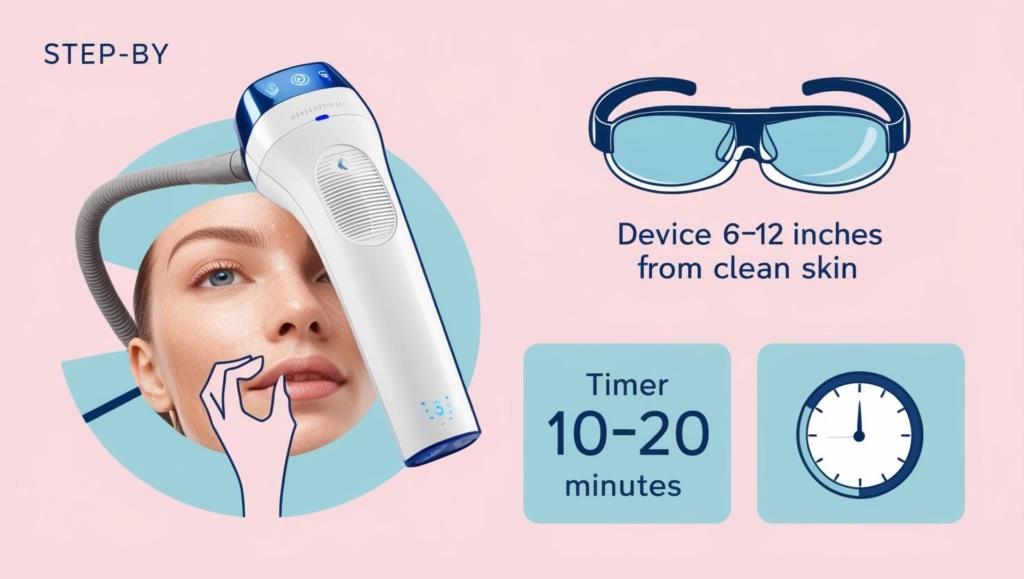
Red light therapy is generally considered low-risk, but a few precautions are worth taking seriously:
- Protect your eyes. High-output panels are bright and near-infrared is largely invisible, so you won’t reflexively look away. Use the supplied goggles.
- Check your medications. Some drugs — including certain antibiotics, retinoids and acne treatments — increase light sensitivity. Ask a pharmacist.
- Talk to a doctor first if you’re pregnant, have a skin condition such as melasma, or have a history of skin cancer.
- Start conservatively. Shorter sessions at the recommended distance, and build up.
Is at-home as good as clinical treatment?
For cosmetic and general wellness use, a well-specified home device used consistently can produce comparable results to in-clinic sessions — largely because consistency is what drives the outcome, and a device at home gets used far more often than an appointment gets booked.
Clinical settings still win where higher output, medical supervision or treatment of a diagnosed condition is involved. And a cheap, underpowered home unit isn’t equivalent to anything — it’s the main reason people conclude red light therapy “doesn’t work”.
Frequently asked questions
How often should I use red light therapy?
Most protocols suggest 10–20 minutes per area, 3–5 times a week. Daily is fine; longer sessions aren’t better.
How long until I see results?
Expect 4–8 weeks for skin changes with consistent use. Recovery and soreness benefits, if you notice them, tend to show up sooner.
Red light or near-infrared?
Red for skin, near-infrared for deeper muscle and joint tissue. Many panels combine both, which is the sensible default if you want one device.
Does it help you lose fat?
No. Despite the marketing, this isn’t supported. For fat loss, a calorie target does the work — our TDEE calculator is a better place to start.
Kitting out a recovery corner at home? Check what fits with our space planner, or browse all our free fitness tools.