

Introduction: A Life Twisted by Elasticity
When 27-year-old Mira sprained her ankle for the fourth time that month—just walking down the stairs—she knew something was off. It wasn’t just clumsiness. It was something deeper. It took years, countless doctor visits, and endless frustration before she finally heard the words: Ehlers-Danlos Syndrome.
Ehlers-Danlos Syndrome (EDS) isn’t just a diagnosis. For those living with it, it’s a journey—one of pain, resilience, and a relentless search for answers. Whether you or someone you love is affected, this article breaks down everything you need to know to better understand and navigate life with EDS.
What Is Ehlers-Danlos Syndrome?
Ehlers-Danlos Syndrome is a group of rare, inherited connective tissue disorders that primarily affect the skin, joints, and blood vessel walls. Connective tissues are like the body’s internal scaffolding—when they don’t function properly, it affects everything from mobility to organ integrity.
There are 13 known types of EDS, with Hypermobile EDS (hEDS) being the most common. Some types, like Vascular EDS, can be life-threatening due to fragile arteries.
Core Symptoms of EDS
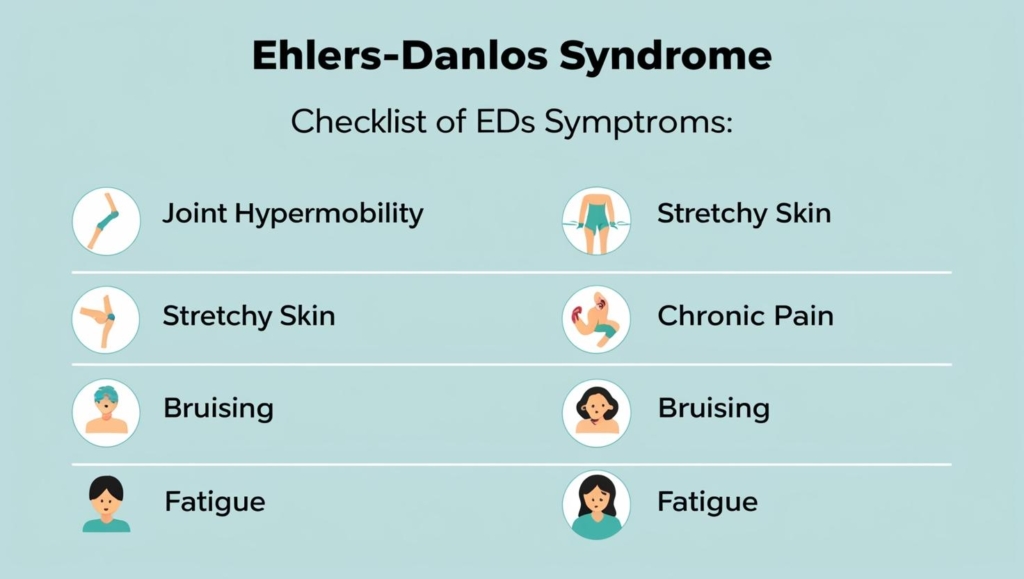
Symptoms vary depending on the type, but common signs include:
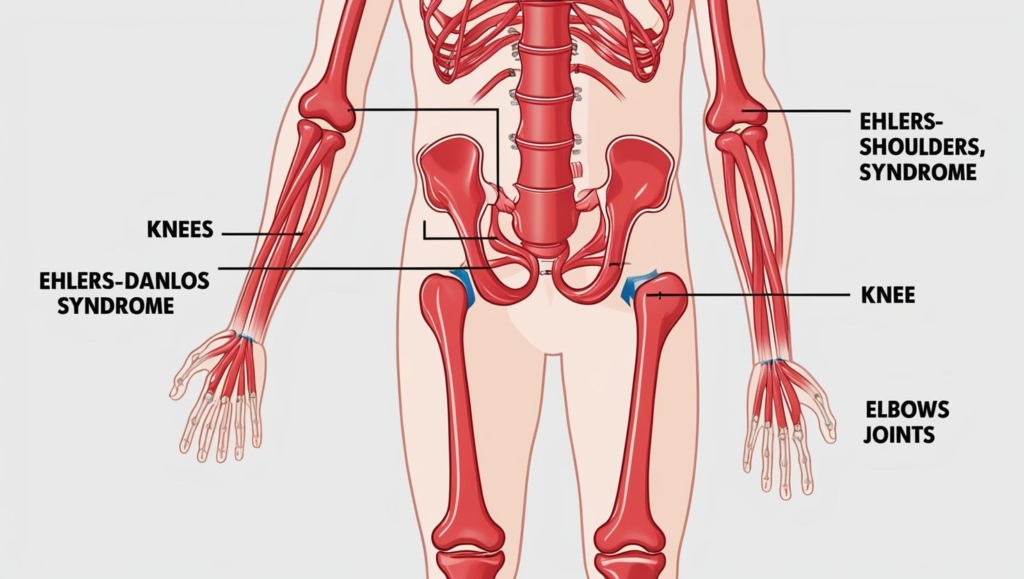
- Hypermobile joints (Joint Hypermobility): Joints that bend further than normal and dislocate easily.
- Chronic pain: Especially in joints, muscles, and soft tissues.
- Skin that’s overly stretchy and fragile
- Easy bruising
- Digestive issues
- Fatigue
- Poor wound healing or scarring
In severe types, internal organ rupture or arterial tearing can occur—making early diagnosis critical.

How Is EDS Diagnosed?
Diagnosis can be complex and often delayed. It includes:
- Detailed medical history
- Physical examination (Beighton Score for hypermobility)
- Genetic testing (especially for vascular and classical EDS types)
- Family history analysis
There is currently no universal test for hEDS, making clinical evaluation essential.

Living with EDS: Daily Challenges and Coping Strategies
EDS can dramatically affect daily life. Here are strategies people find helpful:
🏃♀️ Gentle, supportive exercise
Low-impact activities like swimming, pilates, and resistance band workouts help maintain muscle tone and joint stability without causing injury.
🧘 Physical Therapy
Tailored programs from EDS-aware physical therapists can improve posture, joint protection, and movement patterns.
💊 Pain Management
- NSAIDs and other pain relievers
- Alternative therapies like acupuncture, biofeedback, or CBD oil
- Heat therapy and joint supports
🧠 Mental and Emotional Wellness
Living with chronic pain and unpredictability can lead to anxiety, depression, or trauma. Support groups, therapy, and mindfulness practices are invaluable.
👟 Mobility Aids
Don’t hesitate to use braces, orthotics, or wheelchairs when needed. They’re not signs of weakness—they’re tools for independence.
Treatment Options
There is no cure for now, but a multidisciplinary care approach works best:
- Rheumatologists for joint and pain care
- Genetic counselors for family planning
- Cardiologists for vascular EDS types
- Gastroenterologists for digestive issues
- Nutritionists for balanced, anti-inflammatory diets
Diet and Lifestyle Tips
While diet won’t cure EDS, it can significantly improve quality of life:
- Anti-inflammatory foods: Leafy greens, berries, fatty fish
- Adequate hydration
- Magnesium, Vitamin C, and collagen-rich foods
- Avoid excessive sugar and processed foods

Hope Through Research
Organizations like the EDS Society and Genetic and Rare Diseases Information Center (GARD) are leading research into better treatments, genetic testing, and awareness.
Gene therapies, better diagnostic markers, and more specialized care centers are in development. The future looks brighter.
Final Thoughts: You’re Not Alone
EDS might make your body feel fragile, but people living with it are anything but. They are fighters—adapting, advocating, and thriving despite the odds.
Whether you’re newly diagnosed or supporting a loved one, know this: you’re not alone, and your journey matters.
Resources & Support:
- The Ehlers-Danlos Society
- Local Facebook groups or subreddits
- EDS-specific physiotherapy networks
- Genetic counseling services
Run the numbers yourself with our free macro calculator and one-rep max calculator. Browse them all on our free fitness tools page.