
Updated for 2026. Artificial intelligence no longer just powers our phones and search engines — it now drives a quiet revolution in personal wellness. AI-powered health gadgets are changing how we sleep, eat, train, recover, and even spot potential health issues before symptoms surface.
These aren’t just “smart” gadgets. They learn from you, adapt to your lifestyle, and deliver tailored guidance that used to require a whole team of specialists. We dug into the world of AI health tech to find the devices genuinely worth your attention — and the hype worth skipping.
The Rise of AI in Personal Health
Until recently, most “smart” health gadgets simply tracked data — steps, heart rate, calories burned. The newer generation does something different: it interprets. With AI built into their core, these devices offer predictive insights, personalized coaching, and proactive recommendations instead of raw numbers.
What sets AI gadgets apart?
- They learn your habits over time.
- They adapt to changes in your behavior or environment.
- They guide you with real-time, personalized advice.
7 AI-Powered Gadgets Changing the Game
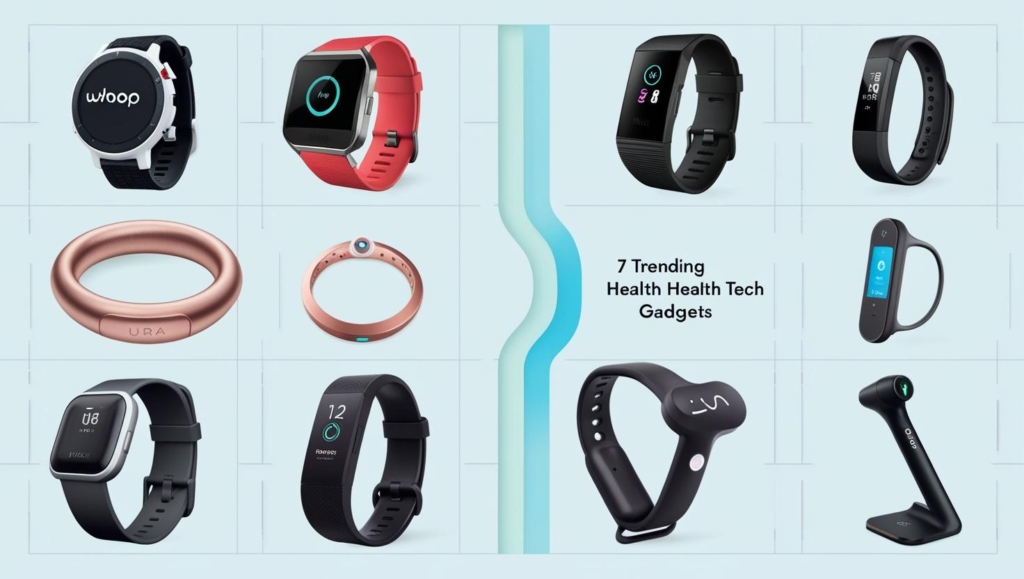
1. Whoop 5.0 — AI recovery coaching
More than a fitness tracker, the Whoop 5.0 band uses AI to analyze your heart-rate variability, strain, and sleep. Its recovery coach doesn’t just tell you how hard you worked — it advises when to rest, when to push, and how to time your training.
🔍 What makes it different: daily AI readiness scores with genuinely actionable advice.
2. Oura Ring 4 — sleep & stress in a ring
This titanium ring pairs sleep, temperature, and HRV tracking with an AI-driven readiness score and personalized recovery tips. Many users report better sleep habits within a couple of weeks of wearing it consistently.
🔍 Real-world impact: discreet, all-day tracking that helps you catch burnout before it builds.
3. Lumen — AI metabolism tracking
With a single breath, Lumen’s AI estimates whether you’re burning fat or carbs, then adjusts your daily nutrition guidance. The latest version factors in your workouts and sleep to make smarter, real-time suggestions.
🔍 Game-changer: one breath each morning informs your day’s nutrition.
4. Withings BeamO — an at-home health check
A four-in-one home device — thermometer, ECG, stethoscope, and oximeter in one unit. Its software surfaces trends over time and can flag readings worth discussing with a clinician.
🔍 Why it matters: convenient at-home readings — though it’s a wellness tool, not a diagnosis. Always confirm concerning results with a doctor.
5. Fitbit / Pixel Watch — AI stress tracking
Google’s Fitbit Sense 2 and the Pixel Watch 3 do more than track — they respond. Using skin temperature, heart rate, and electrodermal (cEDA) sensors, they detect likely stress and prompt real-time breathing or mindfulness exercises.
🔍 Standout feature: stress nudges and guided breathing, right when you need them.
6. Stelo & Lingo — over-the-counter glucose monitors
The biggest recent shift: continuous glucose monitors (CGMs) like Dexcom’s Stelo and Abbott’s Lingo are now available over the counter — no prescription, no diabetes diagnosis required. Their apps translate your glucose response to food and exercise into plain-language guidance.
🔍 Why it’s loved: see exactly how a meal or workout affects your energy and blood sugar.
7. Tempo — the AI home gym
Using 3D vision and machine learning, Tempo’s smart trainer corrects your form in real time and adapts your program based on performance, fatigue, and goals — no gym membership required.
🔍 Real feedback: like a personal trainer at home, without the hourly rate.
What AI Health Tech Means for You
AI health gadgets don’t just tell you what’s happening — they help you change it.
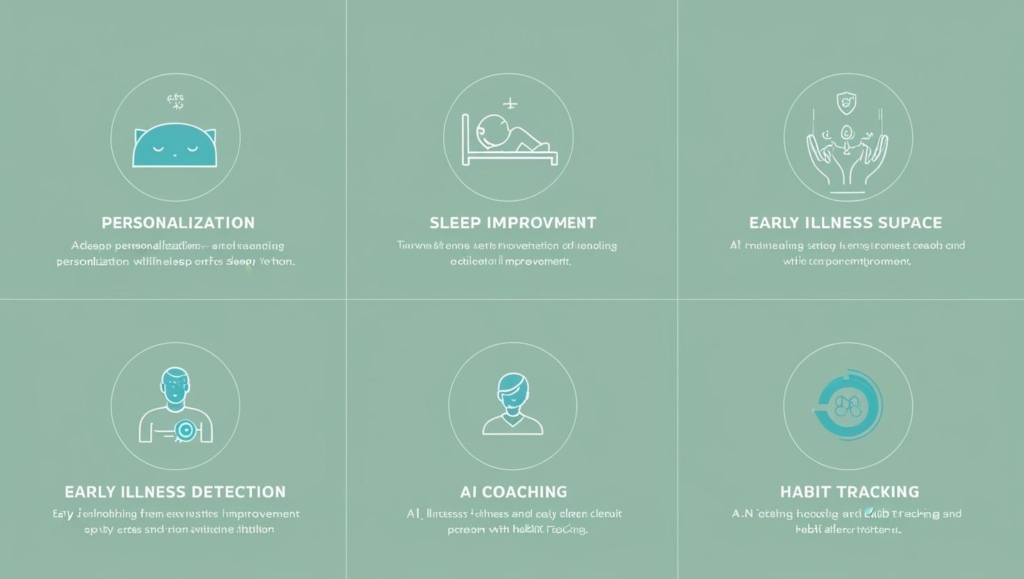
- Personalization — no more one-size-fits-all plans.
- Habit building — small, timely nudges build consistency.
- Awareness — spotting trends early, before they escalate.
- Efficiency — smarter workouts, meals, and recovery in less time.
Once your device is surfacing numbers, put them to work: estimate your daily calorie needs with our TDEE calculator or turn that target into grams with the macro calculator.
What to Watch Out For
AI health tech is promising, but it isn’t perfect:
⚠️ Data privacy — review each app’s data-sharing policy before you commit.
⚠️ Cost vs. value — some devices earn their price; others are mostly hype.
⚠️ Over-reliance — these tools should guide your judgment, not replace it or your doctor’s.
Final Thoughts: The Future Is Personal
AI is changing the game, but the real power is in how you use it. These devices are a co-pilot — there to sharpen your decisions, not make them for you.
Today and beyond, better health isn’t about willpower alone. It’s about insight, personalization, and action — driven by tools that actually understand your body.
Frequently Asked Questions
Do AI health gadgets replace a doctor?
No. They’re wellness and fitness tools, not diagnostic devices. Use them to spot trends and build habits, but confirm anything concerning — an irregular ECG, persistent high glucose — with a healthcare professional.
Which one should a beginner start with?
A smart ring (Oura) or a Whoop band gives the best “insight per effort” — passive tracking plus clear, coached guidance. Add a CGM or Lumen later if nutrition and metabolism are your focus.
Are over-the-counter CGMs worth it if I’m not diabetic?
They can be a useful short-term experiment to learn how your body responds to food, but they’re optional. Talk to a professional before making big diet changes based on the data.
Stay ahead with FitnessAsFun
Want honest gadget breakdowns and practical health-tech guides — no hype, just what works? Explore our free fitness tools and browse more on the blog.