
Updated for 2026. Starting a home routine can feel daunting, especially without equipment. The good news: you don’t need a gym to build real strength. Bodyweight training works, and it works fastest for beginners.
Below are ten exercises worth your time — each with the form cue that matters most, the mistake most beginners make, and how to make it easier or harder as you improve.
Why home workouts work
- No friction. No travel, no waiting for equipment — the biggest predictor of whether you’ll still be training in month three.
- Free. No membership, no kit to buy.
- Genuinely effective early on. Untrained muscles respond well to bodyweight resistance; you don’t need load until you’ve outgrown it.
Warm up for five minutes first — marching on the spot, arm swings, a few slow bodyweight squats. It matters more than any single exercise here.
The 10 exercises
1. Squats — legs and glutes
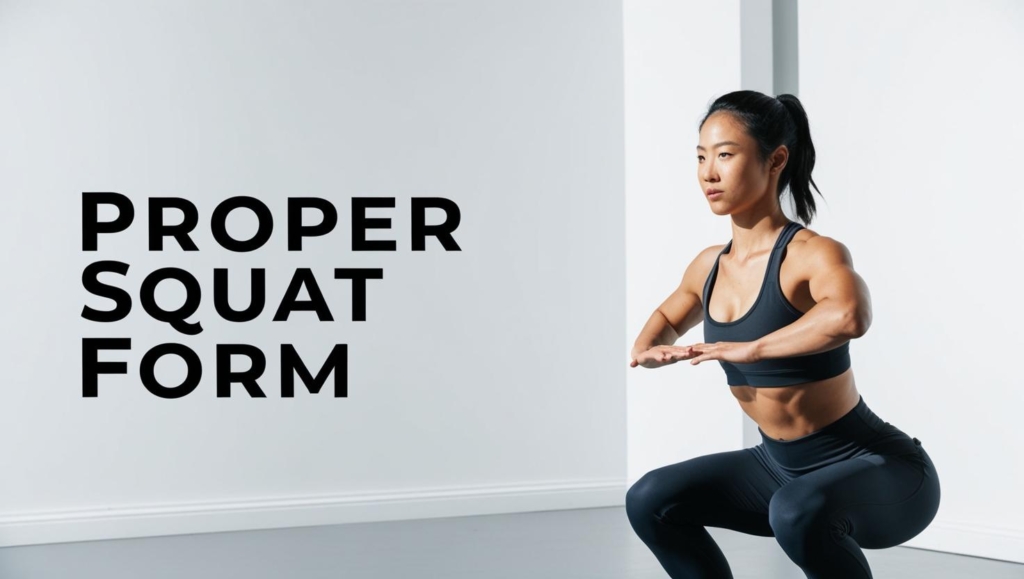
Feet shoulder-width, sit the hips back and down as if reaching for a chair, then drive up through the whole foot. 3 sets of 12–15.
Cue: knees track over your toes, not inward. Common mistake: rising onto the toes — keep your heels planted. Easier: squat to a chair. Harder: slow the lowering to three seconds.
2. Push-ups — chest, shoulders, arms, core
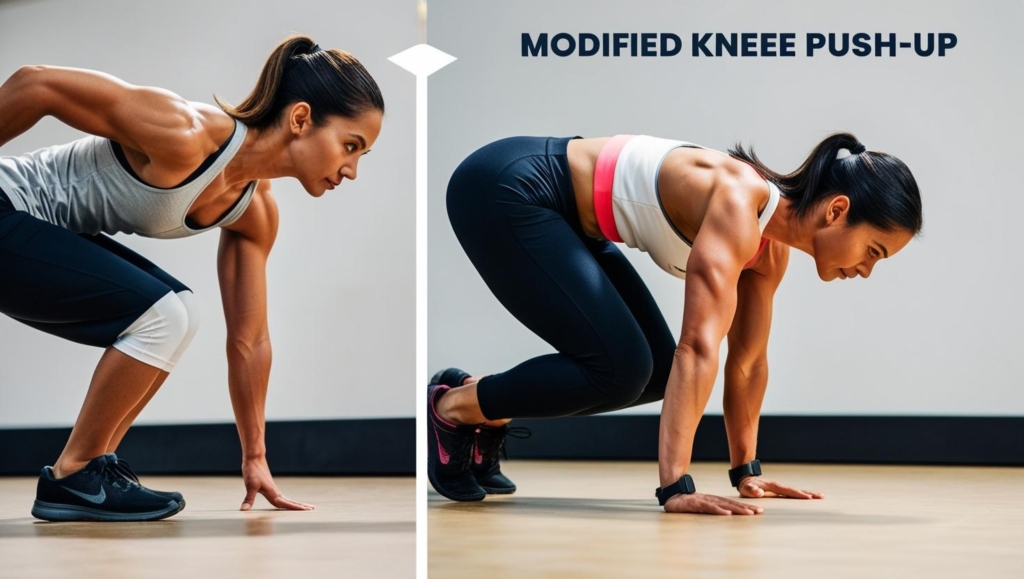
Hands slightly wider than the shoulders, body in one line, lower the chest toward the floor and press back. 3 sets of 10–12.
Cue: squeeze your glutes to stop the hips sagging. Common mistake: flaring the elbows straight out — keep them at roughly 45°. Easier: hands on a counter or wall. Harder: feet elevated.
3. Glute bridges — glutes, hamstrings, core
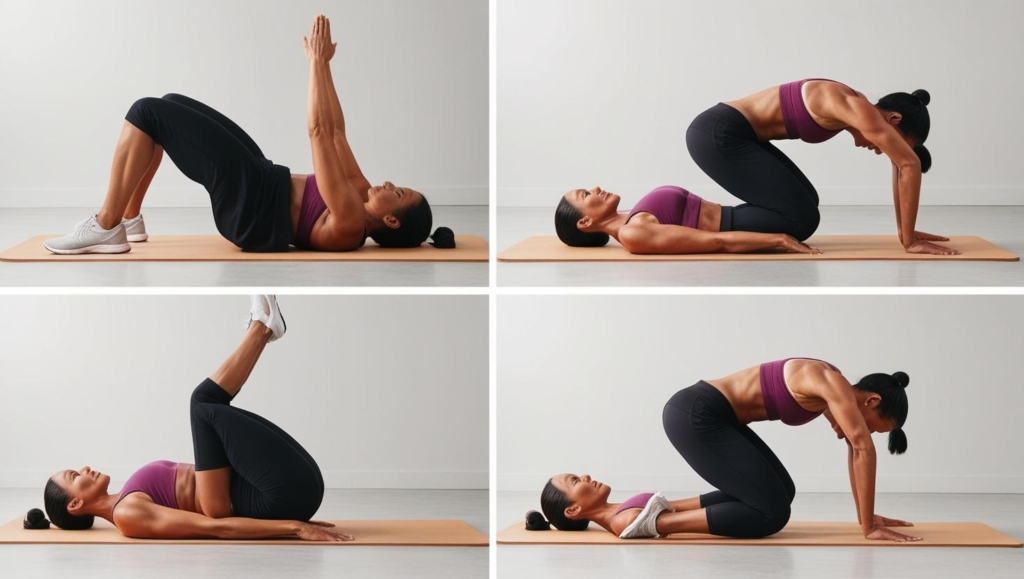
On your back, knees bent, drive through the heels to lift the hips until shoulders, hips and knees form a line. 3 sets of 15.
Cue: squeeze at the top for a full second. Common mistake: arching the lower back instead of extending the hips. Harder: single-leg.
4. Planks — core, shoulders, back
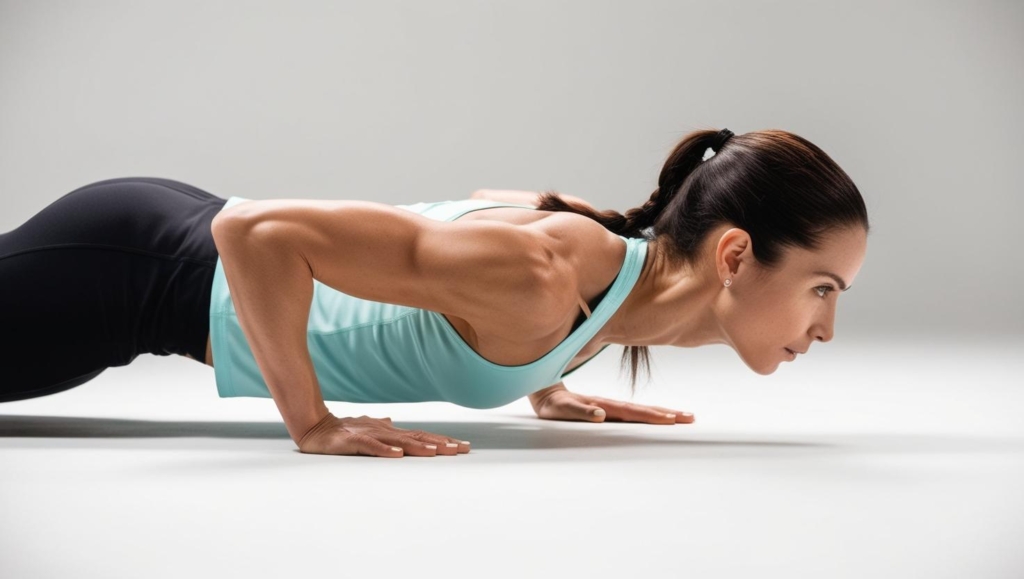
Forearms down, body straight from head to heels. 30–60 seconds.
Cue: brace as if about to be poked in the stomach. Common mistake: hips drifting up or sagging. Easier: from the knees. Harder: lift one foot.
5. Lunges — legs, glutes, balance
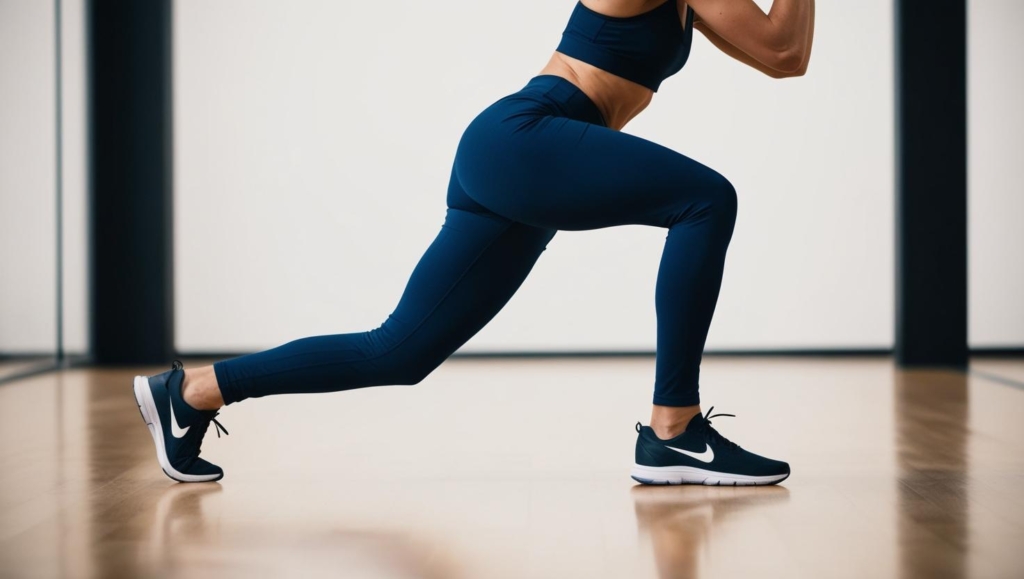
Step forward, lower until both knees reach about 90°, push back to standing. 3 sets of 10 per leg.
Cue: keep your torso upright. Common mistake: a step too short, which drives the front knee too far forward. Easier: reverse lunges — kinder on the knees.
6. Wall sits — quads and endurance
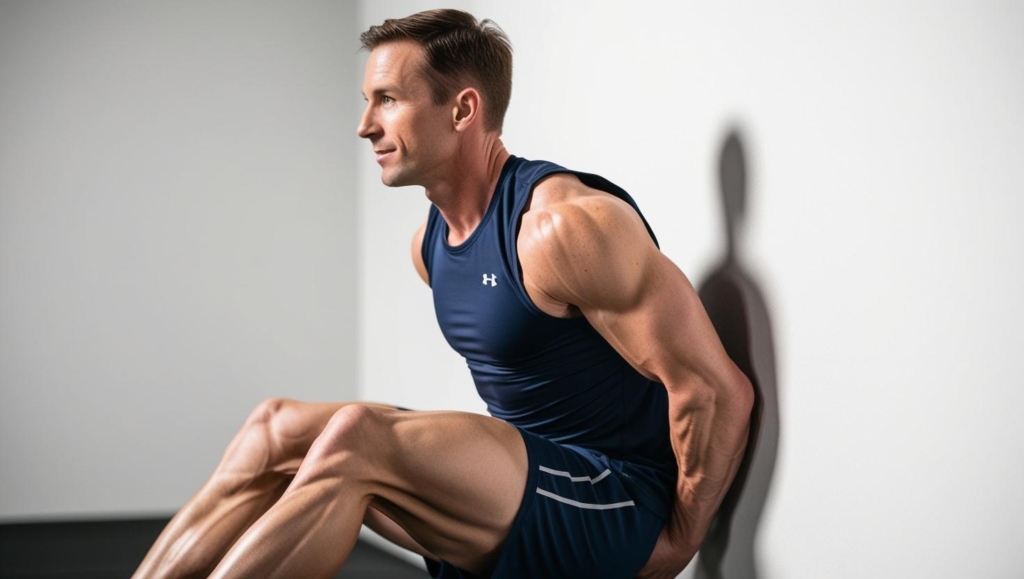
Back flat against a wall, slide down to 90° at the knees, hold. 30–60 seconds.
Cue: weight through the heels. Common mistake: holding your breath — keep breathing steadily. Easier: a shallower angle.
7. Bicycle crunches — core and obliques
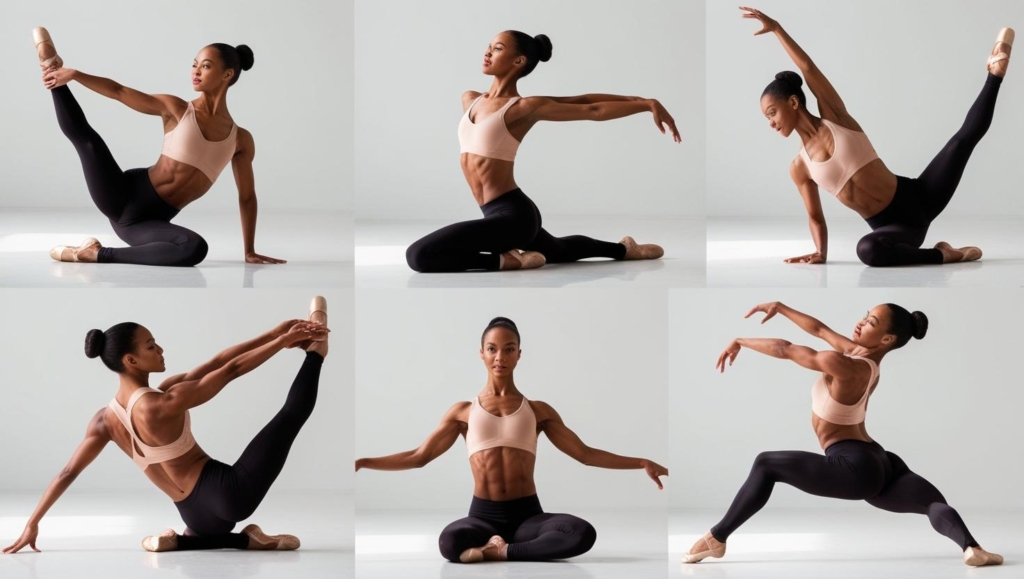
On your back, bring one elbow toward the opposite knee as you extend the other leg. 3 sets of 20 total.
Cue: rotate from the ribs, not the neck. Common mistake: yanking on the head — keep hands light behind the ears. Harder: slow it right down.
8. Arm circles — shoulder mobility
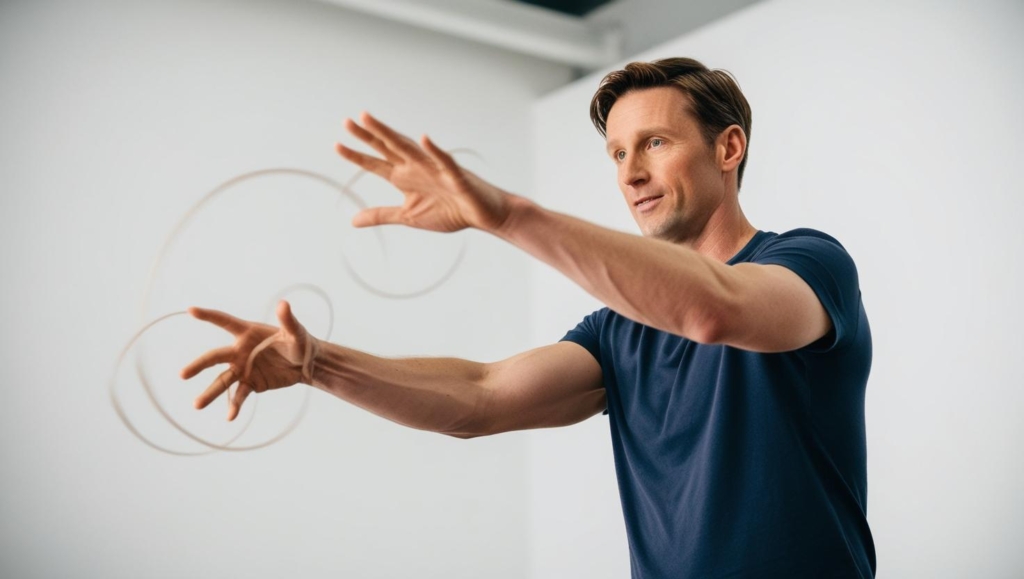
Arms out to the sides, small controlled circles forward then backward. 1 minute each direction.
Worth being honest: this is a mobility and warm-up drill rather than a strength exercise. Use it before your session to prepare the shoulders — it won’t build much on its own.
9. Supermans — lower back, glutes, hamstrings

Face down, lift arms and legs a few inches, hold briefly, lower with control. 3 sets of 12.
Cue: lengthen rather than lift high — height isn’t the point. Common mistake: cranking the neck back; keep your gaze at the floor. Easier: opposite arm and leg only.
10. Step-ups — legs, glutes, balance
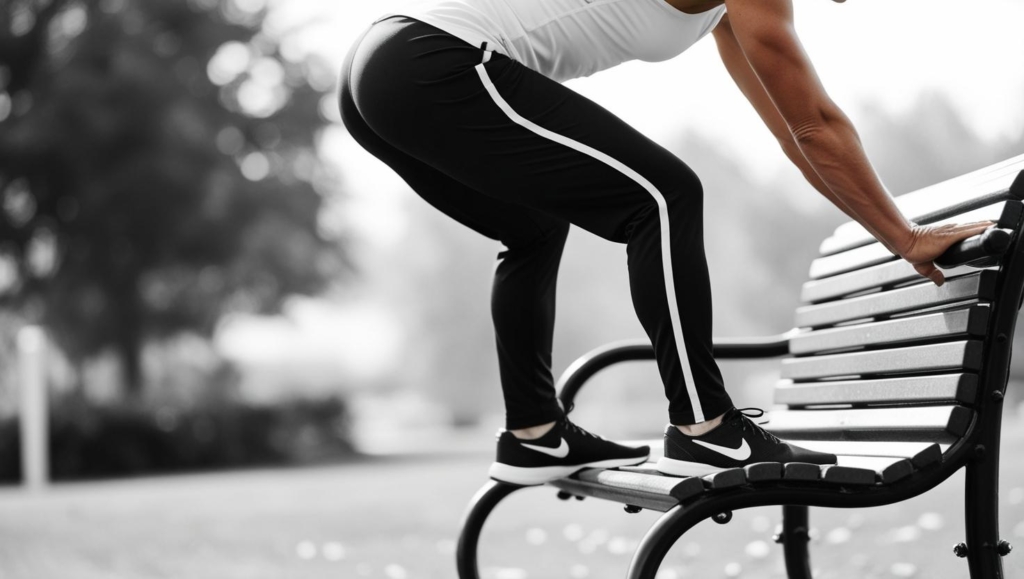
Step onto a stable low step, stand tall, lower under control. 3 sets of 10 per leg.
Cue: drive through the top foot rather than pushing off the bottom one. Common mistake: a step so high the knee passes far past the toes. Harder: hold a weight.
Turning these into a routine
Don’t do all ten every session. Pick five or six covering legs, push, pull-ish (supermans), core and balance, and train three times a week with a rest day between.
A sample week: squats, push-ups, glute bridges, plank, step-ups. Next session swap in lunges, wall sits, bicycle crunches and supermans.
Progress by adding a rep or a set each week, or slowing the lowering phase. When an exercise gets easy for 15 clean reps, move to the harder variation — that’s the signal, not the calendar.
Frequently asked questions
Can you really build muscle without weights?
Yes, particularly as a beginner. Bodyweight resistance is enough to drive adaptation for months. Progress eventually needs added load — that’s when a pair of adjustable dumbbells earns its place.
How long until I see results?
Strength improvements usually within 3–4 weeks; visible changes take longer and depend heavily on nutrition. Set a sensible calorie target with the TDEE calculator.
How many days a week?
Three is ideal for beginners. Muscle is built during recovery, not during the session.
What should I buy first?
Resistance bands, then adjustable dumbbells. Before spending, compare real cost with our price-per-pound calculator and check what fits with the space planner.